

If you're lean or have a smaller frame, it's natural to wonder whether tattoos will be harder for you than for someone with more cushioning. The short answer is: sometimes, in specific placements, yes. But it's more complicated than that, and being thin is not a sentence to misery in the chair.
Where Being Skinny Can Make a Difference
The mechanism is straightforward. Subcutaneous fat, the layer between your skin and bone or muscle, acts as a buffer between the needle and the harder structures beneath. People with very little body fat have less of this buffer in most areas, which means the needle may feel like it's working closer to the bone.
This matters most in the placements where that buffer is already thin even for most people: ribs, spine, sternum, shin, collarbone, and hands. On these spots, someone who is lean may feel more vibration and pressure from the needle against bone than someone who carries more subcutaneous fat in those areas.
Placements that are primarily over muscle, like the upper arm, shoulder, and outer thigh, are affected much less by body fat levels. Muscle doesn't cushion the way fat does, but it does mean the needle isn't working directly over bone, so the overall sensation is different regardless of how lean you are.
Where It Doesn't Really Matter
For the majority of placements that aren't directly over prominent bones, being skinny makes a relatively small difference to pain levels. Individual pain threshold varies enormously from person to person, and that variation swamps the effect of body fat in most locations. A lean person with a high pain tolerance will usually have a more comfortable session than a heavier person with low pain tolerance, all else being equal.
Placement, artist technique, session length, your emotional state, blood sugar, sleep, and anxiety all have more impact on the experience than your body fat percentage in most cases.
The Specific Challenge: Bony Placements
If you're lean and planning a tattoo on the ribs, spine, shin, sternum, or anywhere else that sits close to bone, those placements will be among the harder ones. This is true for most people, but the effect can be more pronounced for very thin people. The vibration of the needle against bone is a distinct sensation, described by many as a deep buzzing or rattling feeling that goes beyond the surface scratch. There's less tissue to absorb it.
This doesn't mean you can't get those tattoos or that you should avoid them. It means going in with appropriate expectations and preparation.
What You Can Do
The preparation fundamentals apply regardless of body type: eat a full meal beforehand, stay hydrated, get good sleep, and keep anxiety under control. These factors affect pain more reliably than fat distribution does.
For bony placements specifically, a numbing cream is a practical equalizer. It reduces surface sensation regardless of what's underneath, which means the bone-vibration effect becomes less of a factor. Many lean people who assumed they'd have an especially rough time on bony placements report a much more manageable experience with a numbing cream compared to sessions without one.

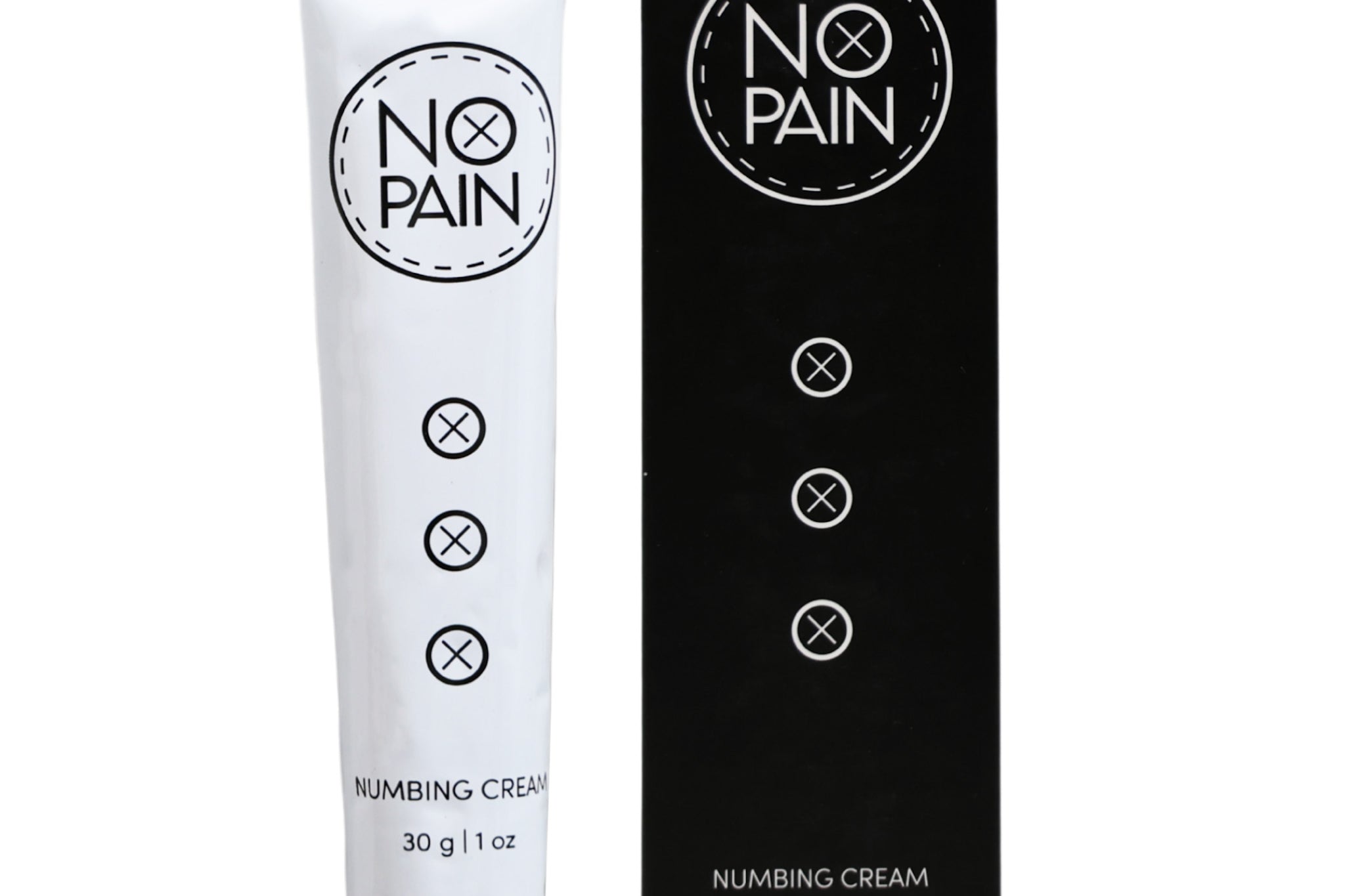
No Pain Tattoo Numbing Cream
Especially useful for bony placements where lean frames feel the needle more. Apply 45 minutes before your session.
Shop Numbing Cream →The Bottom Line
Being skinny can make bony tattoo placements feel more intense, because there's less subcutaneous fat between the needle and the bone. For fleshy or muscular placements, body fat level matters much less than individual pain tolerance and session preparation. If you're lean and worried about an upcoming session, focus on the fundamentals: food, sleep, hydration, and mindset. For the placements that will be hardest regardless of build, a numbing cream is the most reliable thing you can add to the equation.