


The calf offers one of the best tattoo canvases on the body: a large, smooth surface that works for everything from medium flash to full lower-leg sleeves. But anyone with a calf tattoo will tell you the experience isn't uniform. The back of the calf and the front are almost completely different placements in terms of pain, and designs that cross both zones will take you through both ends of the scale in the same session.
Here's what to expect from each, and why they feel so different.
In this guide
- Back of the calf
- Front of the calf (the shin)
- Wrap-around and full lower-leg pieces
- Preparing for the session
- FAQ
Back of the calf: 4 to 6 out of 10
The back of the lower leg is protected by the gastrocnemius and soleus muscles (the large, thick muscles that make up the visible bulk of the calf). That muscle mass provides meaningful cushioning between the needle and the underlying bone. The skin here is also relatively tough compared to thinner-skinned areas, and nerve density is lower than in more sensitive zones.
Most people describe the sensation on the back of the calf as a dull, manageable scratching or low-level burn. It's steady rather than sharp, and it stays consistent as the artist works. For a placement of this size, it's genuinely one of the more comfortable options on the body. First-timers who want a large piece often find the back of the calf a good entry point for that reason.
Front of the calf (the shin): 8 to 10 out of 10
The front is a completely different story. The tibia sits directly beneath a very thin layer of skin with almost no muscle or fat between the bone and the surface. When the needle works over the shin, there's nothing to absorb it. The result is a combination of two distinct sensations: a sharp, grinding feeling at the surface and a deep, vibrating pain that travels through the bone itself.
The vibration is what catches most people off guard. It's not just surface pain: it resonates into the leg in a way that softer placements don't produce. The shin is consistently ranked among the most painful tattoo spots on the body, and that reputation is accurate.
The sides of the lower leg sit in a middle zone. As a design wraps around from the muscular back toward the bony front, the pain rises steadily. The outer shin edge and the area directly over the tibia are the hardest sections; the area just to the side of center, where some muscle coverage returns, drops back down somewhat.
Wrap-around and full lower-leg pieces
Lower leg sleeves and wrap-around calf pieces are some of the most striking tattoo work being done right now, and for good reason: the shape of the lower leg lends itself to designs that read from every angle. But they involve both zones, sometimes within a single line of the design.
What this means practically: your session will shift from a 5/10 experience on the back to a 9/10 experience as the artist moves to the shin, without warning and sometimes within seconds. Staying still through that transition is one of the harder asks in tattooing, and involuntary movement is what compromises clean lines on wrap-around pieces more than anything else.
This is the main practical argument for numbing on a lower leg piece: not just comfort, but stillness. An artist pulling a long, clean line across the shin needs a client who can hold position through the discomfort.
Preparing for the session
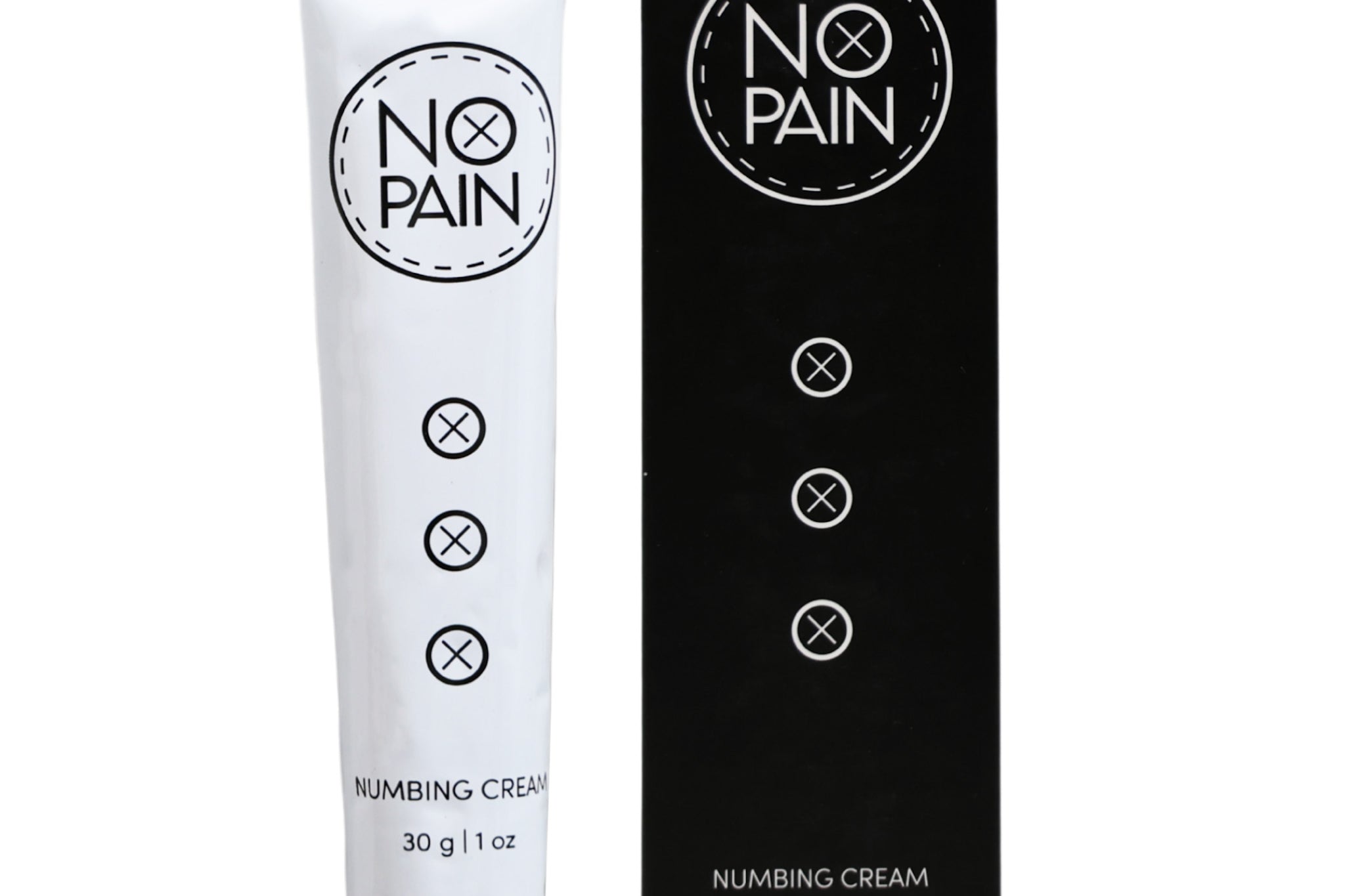
For back-only calf pieces, numbing cream alone is usually sufficient. Apply maximum strength cream to the full area 90 to 120 minutes before the session under plastic wrap. For pieces that include the shin or wrap around, the Comfort Bundle gives you the cream for pre-session application plus spray for mid-session use on broken skin, which matters when a long session takes the shin work deep into the second or third hour.

Numbing cream for pre-session application (90 to 120 minutes before, under wrap) plus numbing spray for mid-session use on broken skin. The combination that lets you sit all day. Thick, slow-absorbing formula that penetrates deeper and lasts longer. Backed by a money-back guarantee.
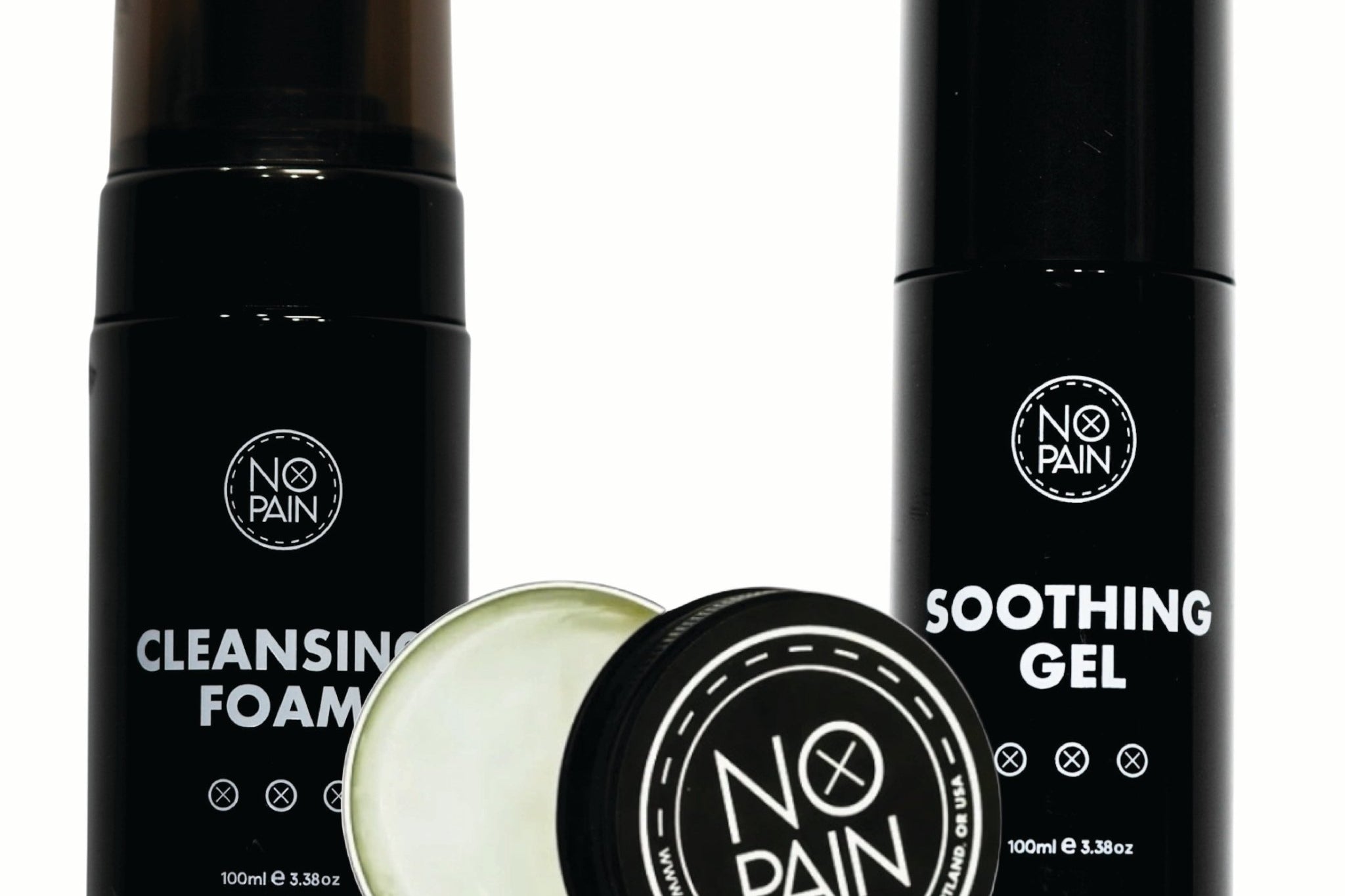
Aftercare on the lower leg has its own considerations. The shin heals slower than most placements because the skin is thin and there's minimal blood supply relative to muscle-backed areas. Keep the area clean and moisturized, wash twice a day with fragrance-free soap, apply soothing gel after washing for the first days, and transition to aftercare balm around day two or three. Avoid tight socks or leggings pressing against the fresh work, and stay out of pools and baths until the surface is fully closed.

No Pain Tattoo Aftercare Bundle
Soothing gel for the first days, aftercare balm from day two or three, and cleansing foam for daily washing. Everything you need from day one. Backed by a money-back guarantee.
Shop Aftercare Bundle: $33.60FAQ
How much does a calf tattoo hurt?
It depends on which part of the calf. The back, over the gastrocnemius muscle, typically rates a 4 to 6 out of 10: dull, manageable, and consistent. The front (the shin), where the tibia sits just beneath thin skin with no cushioning, rates an 8 to 10 out of 10 and is one of the most painful spots on the body. Wrap-around lower leg pieces will move through both ranges in the same session.
Is a shin tattoo really that painful?
Yes, and the main reason is the absence of muscle between the skin and the tibia. There's nothing to absorb the needle impact. The pain is both sharp at the surface and vibrational through the bone, which is a combination most people find more difficult than sharp surface pain alone. It's one of the spots where numbing cream makes the most practical difference, both for the client's comfort and for the artist's ability to work cleanly.
Is the back of the calf a good placement for a first tattoo?
Yes, for a larger first tattoo it's one of the better options. The muscle backing keeps the pain at a manageable level, the canvas is large enough for a piece with real visual impact, and the placement is easy to show or cover as you choose. Just be aware that if the design ever extends toward the shin, the experience changes considerably.
How does calf tattoo pain compare to other placements?
The back of the calf is easier than the ribs, spine, or ditch of the elbow, and roughly comparable to the outer thigh or upper arm. The shin is harder than most common placements and is usually grouped with the spine, ribcage, and foot as some of the most challenging spots. A full lower leg piece spans from one end of that spectrum to the other.
Can you numb the shin for a tattoo?
Yes. Maximum strength numbing cream applied 90 to 120 minutes before the session under plastic wrap works on the shin. Because there's minimal tissue depth, the numbing effect penetrates well relative to muscle-backed areas. For longer sessions, spray can extend the relief after the skin is broken. The shin is one of the placements where clients most consistently report that numbing cream made a noticeable difference to the experience.
How long does a calf tattoo take to heal?
Surface healing takes two to four weeks. The back of the calf, with better blood supply from the underlying muscle, tends to heal cleanly and relatively quickly. The shin takes longer because the skin is thin and blood supply is lower. Both areas benefit from consistent aftercare: clean twice daily, keep moisturized, protect from sun and soaking water, and don't pick at any peeling skin.