
Low pain tolerance doesn't disqualify you from getting tattooed. Millions of people with genuine sensitivity to pain have tattoos, and most of them got there through the same combination of preparation, smart placement choices, and honest communication with their artist. Here's what actually helps.
What “low pain tolerance” actually means for tattooing
Pain tolerance isn't fixed—it varies with context, preparation, anxiety level, and the specific sensation involved. People who describe themselves as having low pain tolerance often find tattoo pain more manageable than they expected, because the sensation is steady and predictable rather than sudden and shocking. You know it's coming, you can breathe through it, and you can ask for breaks. That control makes a significant difference in how pain registers psychologically.
That said, some placements hurt substantially more than others, and the cumulative effect of a long session is real. The approach for someone with pain sensitivity isn't to avoid tattooing—it's to make smart decisions about where, when, and how.
Start with placement
The single most effective way to reduce pain is choosing a placement where the experience is gentler. The outer upper arm, outer thigh, calf, and shoulder blade are consistently rated among the least painful areas to tattoo. They sit on thick skin over substantial muscle, away from bone and dense nerve clusters. For a first tattoo, or for anyone prioritizing comfort, these placements give the design a good home without a punishing session.
Areas to avoid if pain sensitivity is a concern: ribs, sternum, spine, inner arm, hands and fingers, feet, and the back of the knee. These locations have thinner skin, more nerve endings, or proximity to bone—all of which amplify sensation.
Use numbing cream
Topical numbing cream is the most reliable tool available to anyone who wants to reduce tattoo pain. Applied correctly before a session, it desensitizes the skin enough to dramatically lower the sensation during the initial phase of tattooing.
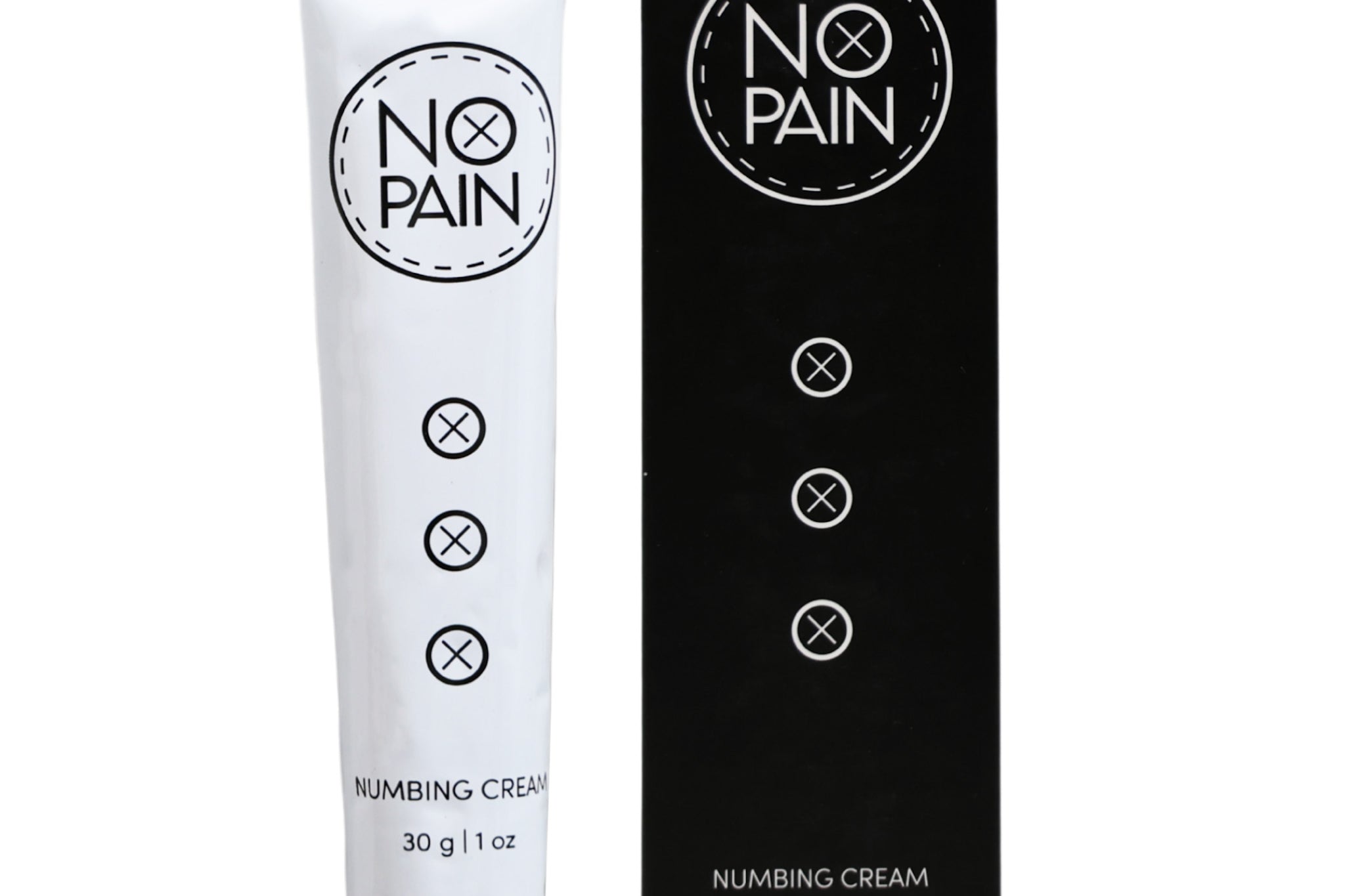
No Pain Tattoo Numbing Cream uses lidocaine to temporarily block nerve signals in the skin. The application process matters: apply a thick layer to clean, dry skin about an hour before your session, cover with cling film to hold heat and maximize absorption, and wipe off before the artist starts. This is specifically what the product is designed for—tattoo sessions, not general use—and artists who are familiar with clients using numbing cream typically appreciate that it helps them work on a client who isn't tensing up or requiring frequent breaks.
Numbing cream addresses the initial penetration phase most effectively. As the session progresses into deeper or more worked skin, the numbing diminishes. This is normal. Having the cream for the first portion of the session still significantly improves the overall experience.
Prepare your body
How your body is functioning before the session has a direct effect on pain sensitivity. Go in well-rested, well-hydrated, and with a solid meal in your system. Low blood sugar makes everything harder to tolerate and increases the risk of lightheadedness or fainting, which is more common than people realize and has nothing to do with the pain itself. Avoid alcohol the night before—it thins the blood and can increase sensitivity.
Don't take ibuprofen before a session hoping it will reduce pain. NSAIDs thin the blood and won't help the specific kind of pain tattooing produces. Acetaminophen (Tylenol) is acceptable if you genuinely need it for something else, but no over-the-counter painkiller significantly dulls tattoo sensation.
During the session
Breathe deliberately. Slow, controlled breathing gives you something to focus on and actively reduces pain perception. Many people find that holding their breath when they're anxious amplifies the sensation; breathing through it does the opposite.
Talk to your artist. Reputable artists understand that clients have different tolerance levels and are accustomed to taking breaks, adjusting approach, or slowing down when needed. Communicating “I need a moment” is not a problem—it's how sessions work. What makes things worse is trying to silently endure something that's becoming overwhelming.
Keep sessions shorter if needed. A three-hour session is harder than a two-hour session is harder than a one-hour session. For someone building their first experience with tattooing, shorter sessions on manageable placements with good preparation build the confidence and experience to take on more demanding work later.
The honest bottom line
Pain tolerance is partly biology and partly approach. The preparation and technique available to someone with low pain sensitivity can genuinely change the experience—not eliminate it, but make it something most people can manage when they care enough about the result to go through it. The clients who get great tattoos despite pain sensitivity aren't toughing it out—they're preparing well.