


The short answer is: it depends. Autoimmune disease is not a single condition, and the risks it introduces to tattooing vary considerably depending on which condition you have, how active it is, and what medications you are taking. Some people with autoimmune diseases get tattooed without significant complications. Others face real risks that make it a poor idea, at least until their condition is better managed.
Here is what the risks actually are, which conditions carry the most concern, what your doctor needs to weigh in on, and how to approach the session safely if you are cleared to go.
In this article
- Why autoimmune disease changes the risk profile
- The Koebner phenomenon
- Other specific risks
- Conditions that carry higher vs. lower concern
- What to discuss with your doctor
- How to prepare if you are cleared
- Aftercare for immune-compromised skin
- Frequently asked questions
Why Autoimmune Disease Changes the Risk Profile
Tattooing is a controlled skin injury. A needle punctures the skin thousands of times to deposit ink into the dermis, and the body's immune system responds to this as it would any wound: with inflammation, immune cell activity, and a repair process that runs for weeks. In people with healthy immune systems, this process is predictable and follows a well-understood path.
In people with autoimmune disease, the immune system is already dysregulated. It may overreact to a new stimulus, react to an unexpected target, or fail to respond appropriately. The specific way this plays out depends on the condition. Some autoimmune conditions cause the immune system to attack the skin directly. Others create systemic inflammation that complicates wound healing. Some treatments for autoimmune disease suppress the immune system in ways that raise infection risk. These are distinct problems that require different considerations.
The Koebner Phenomenon
The Koebner phenomenon is the most important concept for anyone with a skin-affecting autoimmune condition to understand before getting a tattoo. It refers to the appearance of disease lesions at the site of skin trauma in people who have certain conditions.
In practical terms: if you have psoriasis and you get a tattoo, the skin trauma from the needle can trigger new psoriatic plaques at the tattoo site. The same applies to lichen planus, vitiligo, and some cases of eczema. The tattoo itself becomes a trigger that causes your condition to flare in the affected area.
This is not a theoretical risk. It is documented and well-established, and it does not necessarily affect the whole body: the response tends to be localized to the area of injury. But a psoriatic flare on fresh tattooed skin is a serious problem for both healing and long-term appearance. The plaques can interfere with ink settling, can alter how the design looks permanently, and are painful on already-sensitive tissue.
Whether the Koebner phenomenon affects you specifically, and how severely, is something only you and your dermatologist can assess. People with the same diagnosis vary considerably in their Koebner reactivity.
Other Specific Risks
Beyond Koebner, several other risks are relevant depending on the condition and its management.
Prolonged healing is common in people with autoimmune conditions. The immune response that manages wound healing may be either overactive or suppressed, and either state disrupts the normal repair timeline. An overactive immune response can cause excessive inflammation. A suppressed one means the body is slower to clear bacteria and rebuild tissue. Both outcomes extend the healing window and add complications.
Infection risk is elevated in anyone taking immunosuppressive medications. Drugs commonly prescribed for autoimmune diseases, including certain biologics, corticosteroids, and disease-modifying antirheumatic drugs, reduce the immune system's capacity to fight off pathogens. A tattoo introduces a wound into the skin. If the immune system cannot respond effectively to opportunistic bacteria, an infection that a healthy person's body would clear quickly can become a serious problem.
Ink reactions are worth mentioning, though they are uncommon. Tattoo ink allergies occur in the general population and are not caused by autoimmune disease specifically. However, people with autoimmune conditions that involve systemic immune dysregulation may have different inflammatory responses to foreign materials, and some conditions have documented associations with granuloma formation around tattoo ink.
Conditions That Carry Higher vs. Lower Concern
Not all autoimmune conditions carry the same level of concern for tattooing. The practical question is whether your specific condition, in its current state, creates meaningful added risk.
Higher concern conditions include psoriasis (strong Koebner risk, potential for plaques at the tattoo site), lupus (can cause photosensitivity and abnormal scarring, and some lupus medications increase infection risk significantly), and any condition currently managed with high-dose immunosuppressants. Vitiligo carries Koebner risk and carries an additional cosmetic consideration: tattooing over vitiligo-affected skin may trigger depigmentation spread.
Conditions with more moderate concern include rheumatoid arthritis and other joint-focused autoimmune diseases where the skin itself is not directly targeted. The main variables here are medication-related. Methotrexate and biologics both suppress immune function in ways that affect healing and infection risk. Someone with RA who is in remission and not on immunosuppressive therapy has a very different risk profile from someone managing active disease with biologics.
Conditions like Hashimoto's thyroiditis, celiac disease, and type 1 diabetes (which is autoimmune in origin) generally carry lower direct tattooing risk when well-managed, though diabetes has its own specific considerations around wound healing that are worth discussing with a physician.
What to Discuss with Your Doctor
The conversation with your doctor before getting a tattoo is not about getting a blanket approval. It is about understanding what specific risks apply to your situation and whether your condition is in a state where proceeding is reasonable.
The most important questions to work through are whether your condition is currently active or in remission, whether your current medications affect immune function or wound healing, whether your condition carries Koebner risk and how reactive you have been to previous skin trauma, and whether there are any specific placements to avoid. Joints, areas where your condition causes regular flares, and skin with active lesions are all placements to rule out or delay.
A dermatologist is often the right specialist to involve, in addition to or instead of your primary care physician or rheumatologist, because they can assess both the condition-specific risks and the skin-specific question of whether the area you want tattooed is appropriate.
If your doctor expresses reservations, ask them to be specific about what the concern is. "Your immune system is compromised" is a starting point. Understanding exactly which risk they are concerned about, infection, Koebner, medication interaction, or something else, helps you have a more informed conversation about whether and when to proceed.
How to Prepare If You Are Cleared
If your doctor gives you the go-ahead, the practical preparation is the same as for any tattoo, with additional attention to timing and condition management.
Get tattooed during a period of remission or stable management, not during an active flare. The difference in healing outcome between stable and active disease can be significant, and an upcoming flare creates risks that did not exist when you got clearance.
Tell your artist. A good artist wants to know about any health condition that affects healing. They may want to adjust placement, technique, or session length based on what you share. There is no reason to conceal this, and doing so works against you.
Keep the session shorter than you might otherwise. Long sessions mean more cumulative skin trauma. For someone with an autoimmune condition, keeping total trauma lower is a practical way to reduce the inflammatory load the body has to manage during healing. This may mean splitting a larger piece across sessions.
Have a plan for aftercare before you leave the shop. Know exactly what you will be using, when you will apply it, and what warning signs to watch for. The healing window is when the most meaningful risks are active, and solid aftercare minimizes those risks.
Aftercare for Immune-Compromised Skin
Aftercare for someone with an autoimmune condition follows the same fundamental principles as standard aftercare, but the stakes for each step are higher. A healing complication that a healthy person navigates without much consequence can become a real problem when the immune system is not operating normally.
Keep the tattoo clean. Gentle washing with unscented soap two to three times a day during the first week removes bacteria and environmental debris before they can colonize the wound. Do not skip this step or reduce frequency.
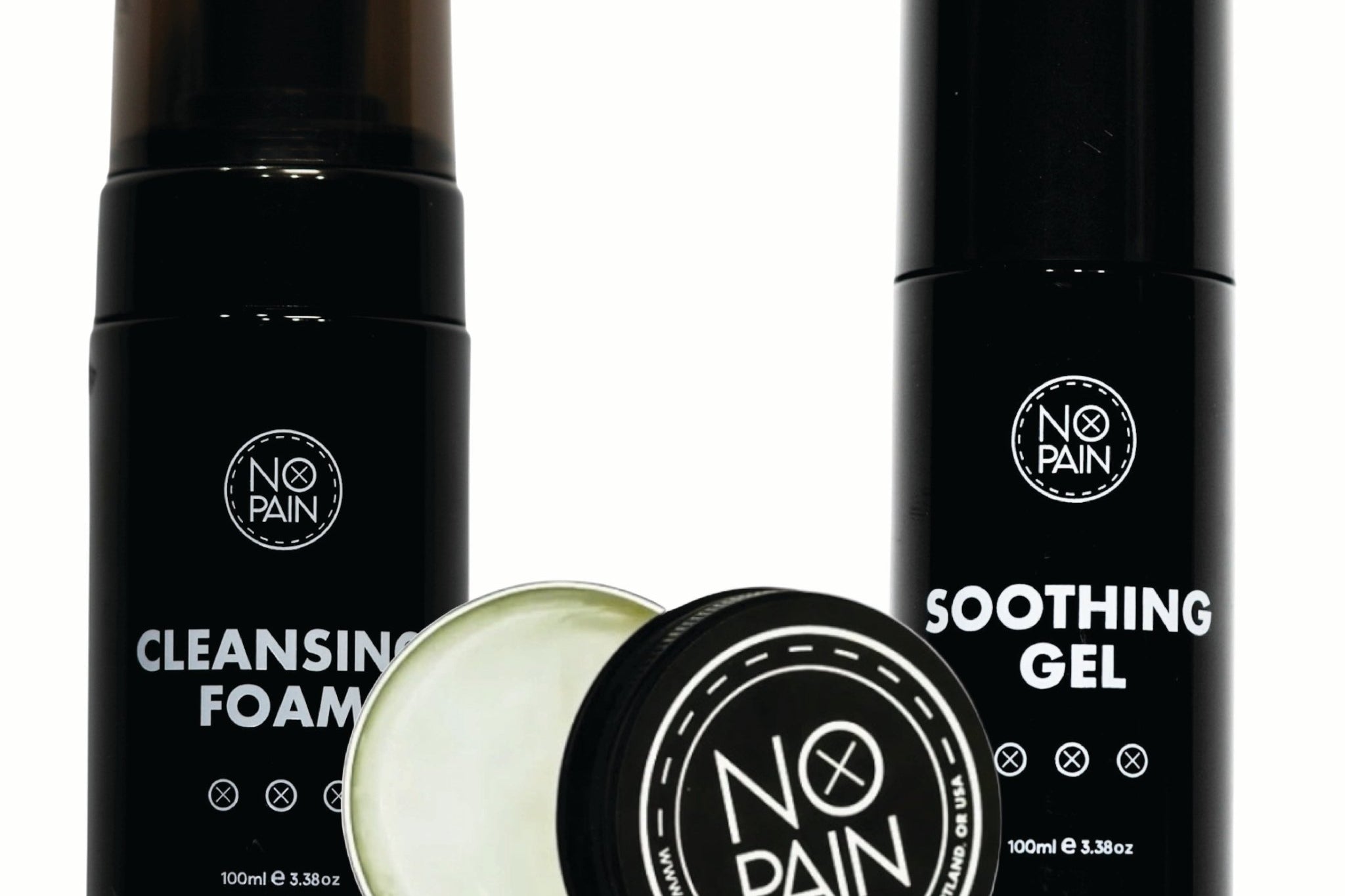
Use appropriate products for each stage of healing. In the first three days, a lightweight, fast-absorbing soothing gel keeps the surface calm while inflammation is highest. Starting from day three, an aftercare balm provides the deeper moisture the dermis needs as it remodels. Avoid anything with fragrance, alcohol, or preservatives that can irritate sensitive or reactive skin.

Watch closely for signs of infection: increasing redness spreading beyond the tattoo border, warmth, swelling that worsens rather than improving after the first couple of days, discharge, or fever. In someone with a healthy immune system, these signs still warrant medical attention. In someone with compromised immunity, they warrant prompt attention. Do not wait to see if it improves on its own.
Extend your active aftercare window slightly. Standard aftercare runs two to three weeks. For immune-compromised skin, staying with the protocol through week three or four and tapering slowly from there gives healing tissue more support during the final stages of dermal repair.
Both Phases Covered
Soothing gel for the first three days, aftercare balm from day three onward. Everything you need for the full healing window in one kit.
Shop Aftercare Kit →Frequently asked questions
Can I get a tattoo while on biologics?
Possibly, but this requires a specific conversation with the doctor managing your biologic prescription. Biologics suppress the immune system in targeted ways, and the degree of infection risk varies considerably depending on which biologic you are on and at what dose. Some physicians recommend timing a tattoo session between doses, when drug levels are lowest. Others may have more specific guidance based on your condition and treatment history. This is not a decision to make without medical input: infection risk on biologics is a real concern, and some infections that occur in immunosuppressed patients are difficult to treat.
Are there placements that are safer for people with autoimmune disease?
Generally, yes. Areas where your condition is most active, where you experience regular flares, or where the skin is already compromised are the wrong placements for tattooing. For conditions with Koebner risk, the location should be somewhere that has been free of lesions for an extended period. Joint areas and areas with poor circulation are also lower-priority choices. Areas with stable, healthy skin that are not directly involved in your condition's typical pattern are better starting points. Your dermatologist can give you specific guidance based on your condition and history.
What does the Koebner phenomenon look like if it happens after a tattoo?
The Koebner phenomenon after tattooing typically presents as the appearance of your skin condition's characteristic lesions at the tattoo site, within days to a few weeks of the session. For psoriasis, this means plaques forming on or around the tattooed area. For lichen planus, purple or reddish papules at the tattoo site. For vitiligo, depigmented patches appearing at or around the injury. These responses are localized to the site of trauma and do not necessarily mean your condition is worsening overall, but they do mean the tattoo area is now affected by your condition, which can complicate healing and permanently alter the appearance of the design. If you see signs of this, contact your dermatologist promptly.
Does being in remission make tattooing safer?
Yes, meaningfully. Remission means your immune system is in a more stable state, active disease is controlled, and the inflammatory environment of the skin is closer to normal. Tattooing during remission carries significantly lower risk of a flare response compared to tattooing during active disease. That said, remission does not eliminate all risk, particularly for conditions with Koebner reactivity, where skin trauma can trigger a flare even in an otherwise stable period. Remission is the right time to consider a tattoo if you are going to, not a guarantee that it will proceed without complication.
How should I handle aftercare differently from someone without an autoimmune condition?
The core aftercare principles are the same. The differences are in vigilance and timeline. Watch more closely for infection signs, because your immune system may not contain a bacterial problem as effectively as it would in someone without immunosuppression. Extend the active aftercare period slightly beyond the standard two to three weeks if healing is progressing more slowly than expected. Avoid any aftercare products that contain fragrance, alcohol, or potential irritants, as reactive skin may respond to these more strongly. And keep your prescribing physician informed about the fact that you got tattooed, particularly if you are on immunosuppressive medications, so they can advise on any additional monitoring that might be appropriate.
Can autoimmune disease affect how the ink looks once healed?
In most cases, no. Once the healing process completes and the ink has settled into the dermis, the presence of an autoimmune condition does not directly affect ink appearance in the long term. The risks are concentrated in the healing window. However, if healing was complicated by a Koebner response, excessive inflammation, or infection, these events can affect how ink anchors in the dermis and how the tattoo looks once healed. Plaques forming over a tattoo during healing, for example, can pull ink when they shed. This is why getting the healing phase right matters more for people with autoimmune conditions than it does for those without.