
The short answer is that all three hurt differently, and which hurts “most” depends on factors specific to your artist, your design, and your body. But there are real patterns across how clients experience each phase, and understanding them helps you prepare more accurately than a one-size-fits-all pain rating.
The outline: sharp, defined, and often the roughest start
Outlining uses a single needle or tight needle grouping moving at consistent speed, cutting a clean line through the skin. Most clients describe the sensation as sharp and concentrated—a precise point of pain that follows the needle's path. Because the outline typically covers the full perimeter of the design, it also involves the most contact with potentially sensitive areas like curves over bone or transitions through thin skin.
The outline tends to hurt most in the first fifteen to twenty minutes of a session, before the body's natural adrenaline and endorphin response kicks in. After that first stretch, most people find the sensation more manageable even if it doesn't become comfortable. The psychological challenge of starting—not knowing how you'll respond, worrying about whether you can handle it—often makes the outline phase feel worse than it actually is once you're settled into the session.
Shading: more coverage, different sensation
Shading uses wider needle groupings (magnums or curved mags) moving across a broader surface area to build gradients and fill. The sensation is usually described as more of a burning or dragging feeling rather than the sharp precision of outlining. It covers more skin per pass, which means more cumulative irritation over time—but the per-point intensity is often lower than a tight outline needle.
Whether shading hurts more than outlining depends significantly on the design. A heavily shaded piece covering large areas of thin or bony skin will become very uncomfortable over a long session, as the repeated passes accumulate on increasingly irritated skin. A lightly shaded design on a fleshy area might feel more comfortable than the outline did. The key variable is duration: shading sessions often run longer than outline sessions, and fatigue from sustained tattooing generally outpaces the initial shock of the first needlestick.
Color packing: the most physically intense pass
Color packing—saturating an area with solid color—is widely considered the most physically demanding part of a tattoo session, particularly for large color fields. The needle works an area repeatedly, building saturation layer by layer, on skin that's already been through the outline and possibly the shading. By this stage, the skin is more sensitive than it was at the start of the session, and the repeated mechanical trauma accumulates.
Clients who handle outlining and shading without much difficulty often find color packing noticeably more intense, simply because of where it falls in the session's timeline. It's usually the last major pass, which means it's also done on the most fatigued and sensitized skin.
What actually makes the biggest difference
Placement matters more than technique. The same shading pass over the ribs hurts dramatically more than the same pass over the outer thigh, regardless of which phase of the session it's in. Body chemistry also plays a role: people who have a strong adrenaline response often find that the first hour is significantly more manageable than hours three and four, when that response fades and the sustained trauma starts registering more.
Session fatigue is the factor most people underestimate. A study of how tattoos feel often reveals that whatever phase happens to fall at the three-hour mark of a long session is “the worst part”—not because of the technique, but because the cumulative physical toll peaks around that time.
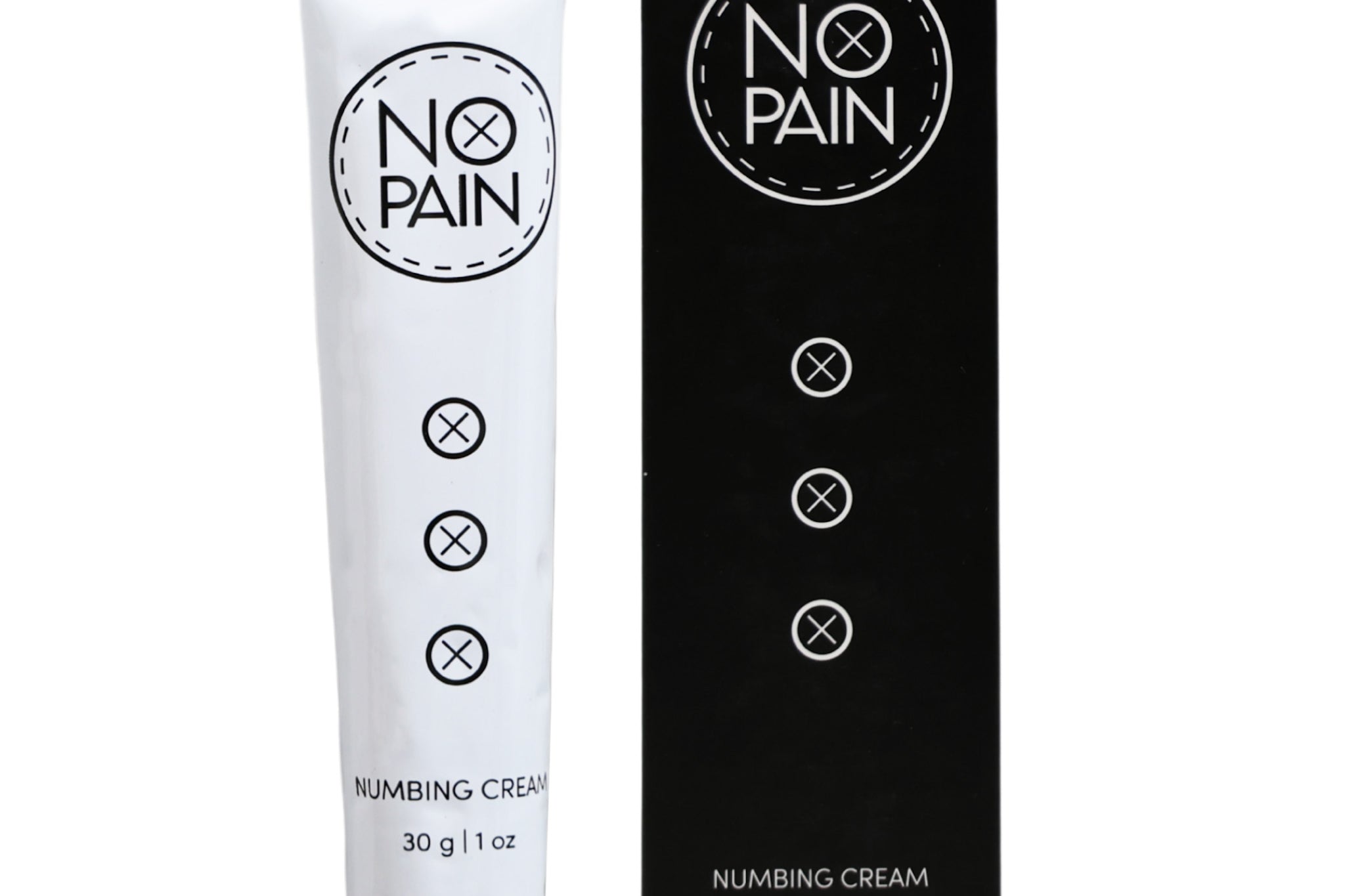
If you want to manage pain across all phases of the session, applying No Pain Tattoo Numbing Cream before the session reduces the initial intensity of the outline and creates a better starting point. The effect lasts into the shading phase on most placements, giving the body's natural response time to engage before the cream wears off. For very long sessions, some artists are comfortable with reapplication of a topical mid-session—worth asking about at your consultation.
The honest answer
Color packing on already-worked skin, particularly in bony or thin-skinned placements, is typically the most objectively difficult phase for the body. But the outline is often what feels hardest in the moment because it's first. The shading often feels hardest in retrospect because it covers the most ground. What matters most is going in hydrated, fed, rested, and mentally prepared for something that won't feel good—but that most people find manageable when they understand what's coming.