


Portrait tattoos are the hardest tattoo style to execute well. They're also among the most personal: a face you carry with you forever, whether it's someone you lost, someone you love, or someone who shaped you. The gap between a stunning portrait and a distorted one often comes down to a single decision made before the first needle touch: finding the right artist.
This guide covers how to find a true portrait specialist, what reference photos actually work, how to choose placement that fits the style, what to expect from a long session, and how to care for the result.
In this guide
- Finding the right artist
- Reference photos
- Placement and size
- What to expect during the session
- Aftercare
- FAQ
Finding the right artist
Portrait tattoos are a specialty. An artist who does excellent traditional, neo-traditional, or geometric work is not automatically qualified to do portraits. The skillset is different: realism requires mastery of value (light and shadow), subtle transitions, and accurate likeness. You need someone whose portfolio is primarily or substantially built around black and grey realism or color realism portraiture.
When evaluating a portfolio, look for two things. First, healed work. A fresh portrait can look razor-sharp; a healed portrait tells you whether the shading holds, the skin retains detail, and the contrast survives the healing process. Ask the artist for healed photos, or look at their tagged posts from clients. Second, variety of subjects. An artist who can only do one type of face (same age, same bone structure, same lighting) may struggle with your specific reference. Someone who has tattooed elderly faces, children, animals, and challenging angles demonstrates range.
Always book a consultation before a portrait. A good portrait artist will look at your reference photo honestly and tell you what's achievable, what may need adjusting, and what size the piece needs to be to hold the detail you want. Any artist who agrees to whatever you ask without pushback is a warning sign.
Expect to travel. Portrait specialists are not evenly distributed geographically. If the best person for this piece is three hours away, that's the right call. A portrait tattoo of someone you love is not the place to compromise on the artist to save a drive.
Reference photos
The single biggest variable in portrait quality, after the artist's skill, is the reference photo. A poor reference photo puts a ceiling on the outcome regardless of how talented the artist is.
What makes a good reference photo: high resolution (not a screenshot or a compressed social media image), sharp focus on the face, good even lighting without heavy shadows across one side or blown-out highlights, and a natural expression. Slight smiles or neutral expressions tend to translate better than wide grins (teeth are notoriously difficult to render in realism) or extreme emotional expressions that distort the features.
What to avoid: photos taken at unusual angles (directly from below, extreme three-quarter turns), heavy filter effects or editing that flatten the natural tonal variation in the face, group photos where the subject is small in the frame, and very old physical prints that have faded or deteriorated. Old photos can work (some artists specialize in working from vintage imagery), but be upfront about the limitations when consulting.
Bring multiple reference options to your consultation if you have them. The artist can tell you which will produce the best result and why.
Placement and size
Portrait tattoos require space. The face has subtle details (the shape of a specific eye, a particular smile line, the specific quality of a person's expression) and those details disappear at small sizes. Most portrait specialists have a minimum size requirement, and for good reason. An underdone portrait that loses the likeness is worse than no portrait at all.
Common placements for portrait tattoos include the upper arm (outer or inner bicep), the forearm, the chest, the upper back, and the thigh. These areas offer a relatively flat, large canvas and tend to age well. The upper arm is probably the most common, and for practical reasons: it's easy to show, easy for the artist to work on, and the skin there is stable and holds detail reliably.
Curved or highly muscular surfaces add complexity. A portrait placed on the calf, for example, will appear distorted when the leg is relaxed vs. flexed. Your artist will account for this, but it's worth discussing placement in the consultation specifically in terms of how the piece will look in day-to-day life.
Avoid areas with high movement or friction (elbows, knees, hands, fingers) for portrait work. These areas break down ink faster, and you don't want a face degrading over time.
What to expect during the session
Portrait sessions are long. A detailed portrait tattoo can take anywhere from four hours on the short end to a full day or multiple sessions for a large, complex piece. The layered shading that creates realism is time-intensive, and rushing it produces muddy results. Plan your schedule accordingly.
Because portraits require you to sit still for extended periods, preparing for the session matters. Eat a proper meal beforehand, sleep well the night before, and dress so the placement area is easily accessible and so you're comfortable sitting for hours.
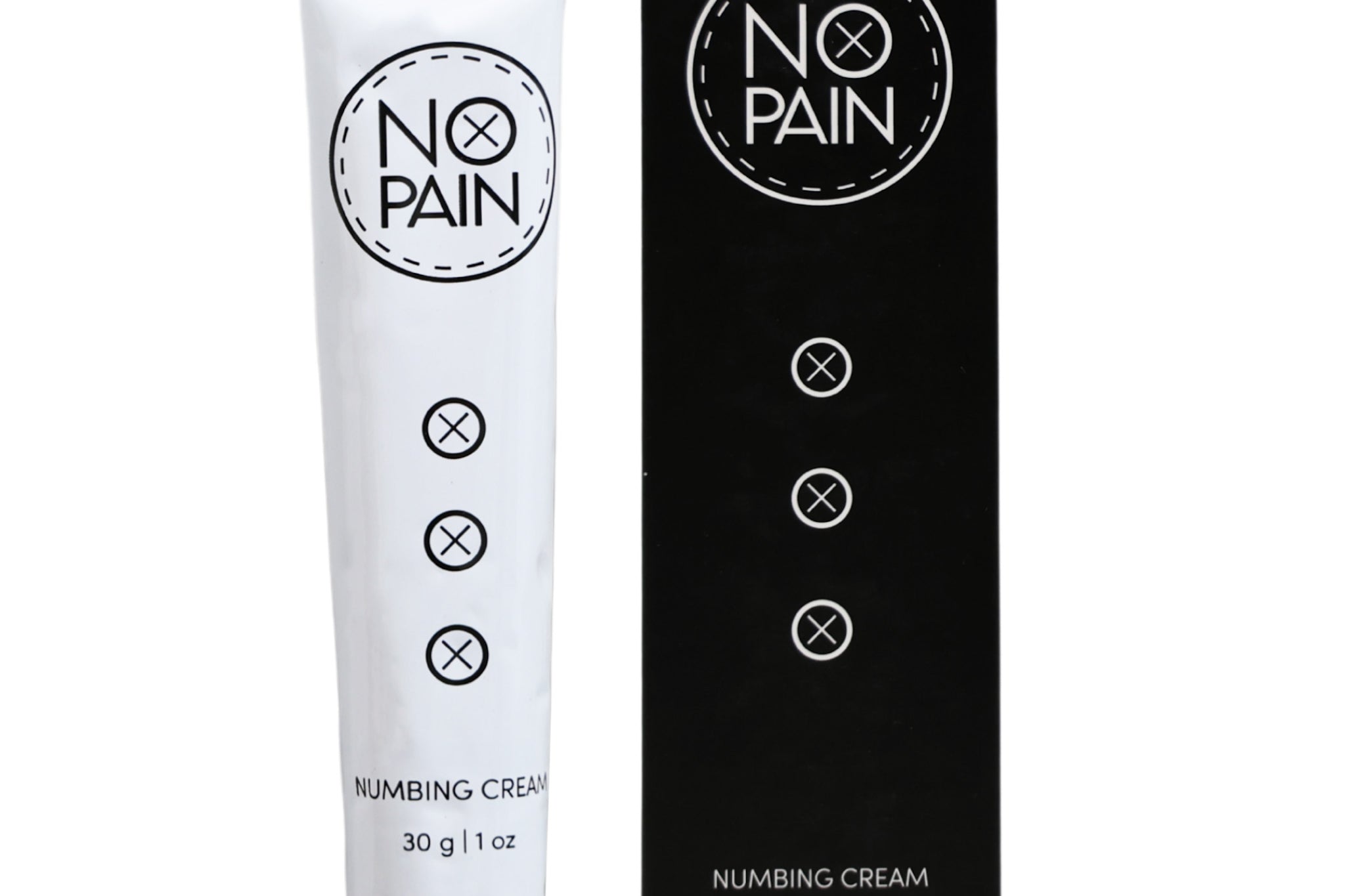
For long sessions, numbing cream is worth considering. Applied correctly in the 90 to 120 minutes before the session starts under wrap, maximum-strength numbing cream takes the edge off in a real way, letting you stay relaxed and still while the artist focuses on the detail work. A mid-session top-up with numbing spray (formulated for broken skin) extends the relief as the session goes on.

Maximum-strength numbing in a thick, slow-absorbing base. Apply 90 to 120 minutes before your session, cover with cling film, and arrive already numb. Staying relaxed and still is far easier when you're not fighting the discomfort. 100% money-back guarantee.

Cream for pre-session numbing (90 to 120 minutes under wrap) plus spray for mid-session top-ups on broken skin. Covers a full-day portrait session from start to finish. 100% money-back guarantee.
Aftercare
Aftercare matters for every tattoo, but it matters more for portrait work. The subtle tonal transitions and fine detail that make a portrait look alive (the soft highlight on a cheekbone, the slight variation in shadow depth) are exactly what's lost when a tattoo heals poorly. Picking, over-moisturizing, sun exposure, or neglecting the wound during the first weeks can bleed out the delicate shading that cost the artist hours to build.
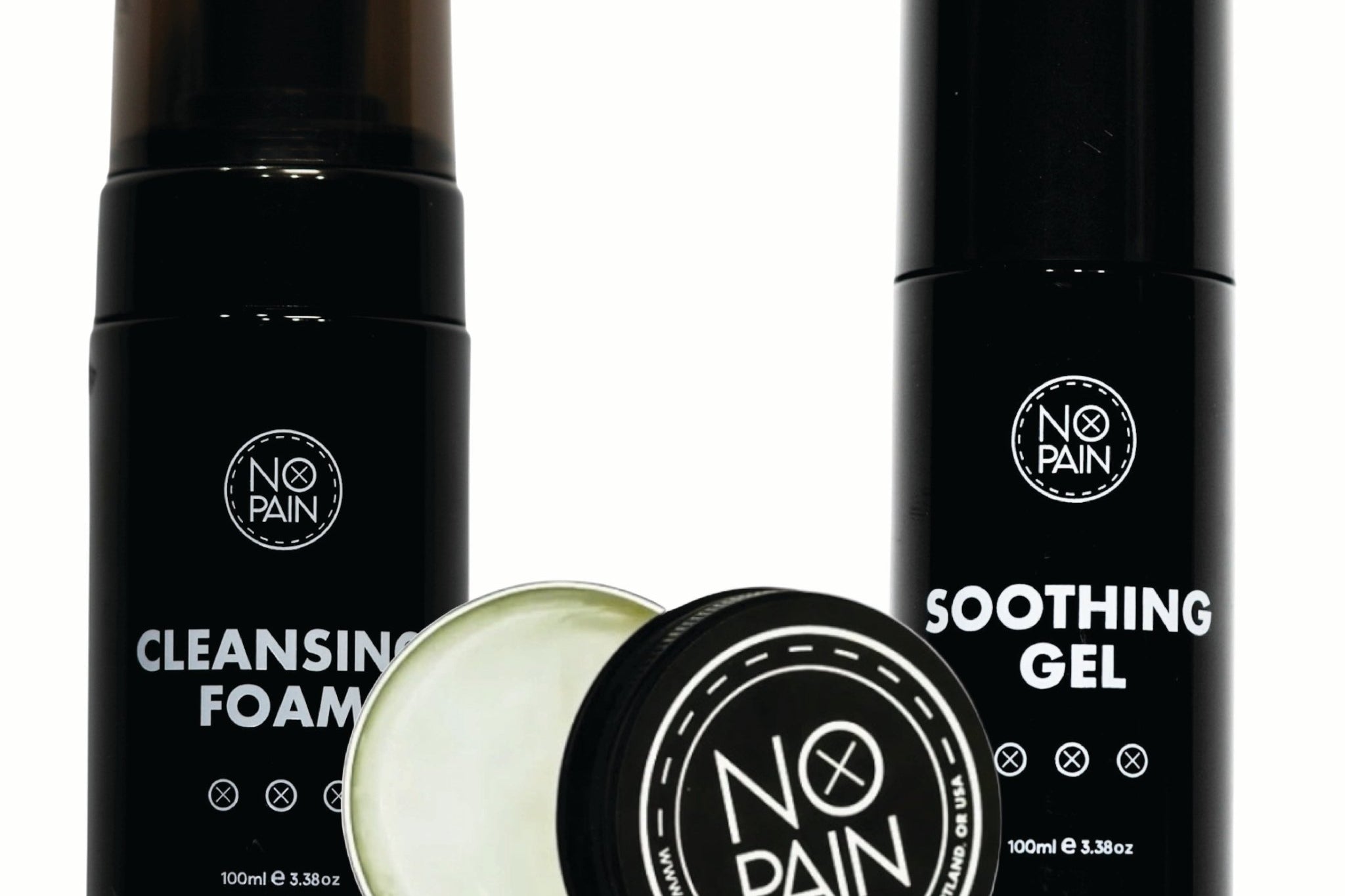
Wash twice a day with a fragrance-free liquid soap, pat dry with a clean paper towel, and keep it moisturized without suffocating the skin. For the first three days, apply a thin layer of soothing gel after each wash to keep the surface hydrated and calm. From Day 3 onward, transition to an aftercare balm as peeling begins. Avoid sun, pools, baths, and anything rubbing directly on the piece until it's fully healed (typically three to four weeks on the surface).
Protect the Detail Work Through the Heal
The Aftercare Bundle covers the full healing routine: soothing gel for Days 1 to 3, aftercare balm from Day 3 onward, and cleansing foam for daily washing. Everything your portrait needs to heal cleanly and hold its detail.
Shop the Aftercare Bundle →Formulated at Historic Tattoo in Portland, Oregon. 100% money-back guarantee.
FAQ
How much does a portrait tattoo cost?
Portrait tattoos typically run higher than other styles because of the time and specialization required. A detailed portrait from a skilled realism artist will often start at $500 to $800 for a palm-sized piece and go up from there for larger or more complex work. Day rates for top portrait specialists commonly run $1,000 to $2,000+. This is not the place to find the cheapest option. A botched portrait is far harder to fix than a botched traditional tattoo.
How long does a portrait tattoo take to complete?
A smaller, simpler portrait (palm-sized, single subject, limited background) might be achievable in four to six hours. A large, detailed piece with intricate background elements can take a full day or require multiple sessions. Talk to your artist about session structure during the consultation: some prefer to complete a portrait in one sitting for color/value consistency; others work in planned sessions.
Do portrait tattoos fade?
All tattoos fade over time, but portrait tattoos are particularly vulnerable because the detail sits in subtle tonal gradients rather than bold lines. Poor aftercare during healing, early sun exposure, and placement on high-friction areas accelerate fading. A well-healed portrait in a good placement, kept moisturized and protected from the sun long-term, can hold its likeness for decades. Touch-ups every ten to fifteen years are normal for realism work.
What style works best for portrait tattoos?
Black and grey realism is the most common and most forgiving approach for portrait work. The monochromatic range gives the artist full control over tonal contrast and shadow depth, and black and grey tends to age more gracefully than color realism. Color realism portraits can be stunning but require even more specialized skill, and the colors can shift over time in ways that affect skin tone rendering. New school and illustrative takes on portrait work are also valid, but those are stylistic choices that move the piece away from photorealistic likeness.
Can you get a portrait tattoo of a living person?
Yes, and many people do: partners, parents, children, close friends. The considerations are the same as for any portrait: reference photo quality, artist specialization, placement, and aftercare. The emotional weight is different from a memorial piece, but the technical execution is identical.
What happens if the portrait doesn't look like the person?
This is the nightmare scenario, and it's the primary reason choosing the right artist matters so much. If a portrait doesn't achieve likeness, options include: a cover-up (which is extremely difficult given the tonal complexity of portrait work), a rework by a specialist (possible in some cases), or accepting the piece as a stylized representation rather than a literal portrait. Prevention is everything here: vet the artist thoroughly, look at multiple healed examples, and don't book based on one impressive fresh photo.