


A tattoo is a permanent investment in art that you wear on your skin. When it's fresh, the lines are sharp and the colors are brilliant. But the true test of a great tattoo is not how it looks on day one, but how it looks in year ten, twenty, and beyond. How tattoos age is one of the most important considerations in the entire process.
While a small amount of settling and softening over a lifetime is natural, the dramatic blurring and fading that can ruin a beautiful piece is almost entirely preventable. The secret to a tattoo that ages gracefully is a combination of a flawless initial heal and a lifetime of dedicated care.
This is your complete guide to ensuring your tattoo stands the test of time.
Phase 1: A Perfect Heal is the Foundation of Longevity
You cannot have a tattoo that looks good in 20 years if it doesn't heal perfectly in the first month. The initial tattoo healing stages are when your body locks the ink into the skin. A bad heal is the fastest way to start with a faded tattoo.
-
The #1 Enemy of a New Tattoo: Heavy Scabbing. A tattoo that forms thick, hard scabs is at high risk. When these scabs fall off, they often pull the underlying ink out with them, leading to a patchy, faded result. This is a clear sign that you might be wondering, "is my tattoo healing properly?"
-
The Solution is a Flawless Aftercare Routine: The key to preventing heavy scabs is a perfect moisture balance.
-
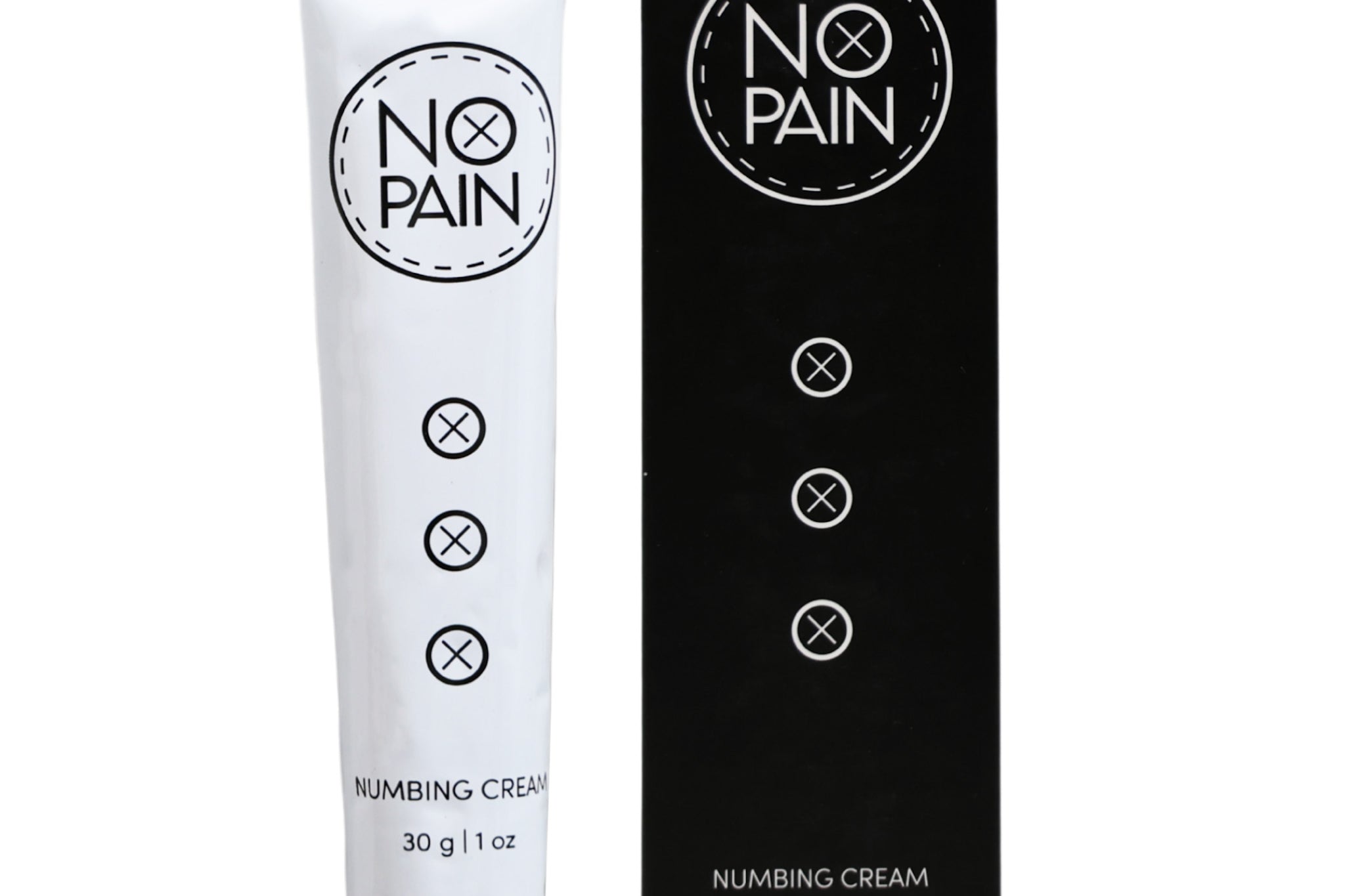
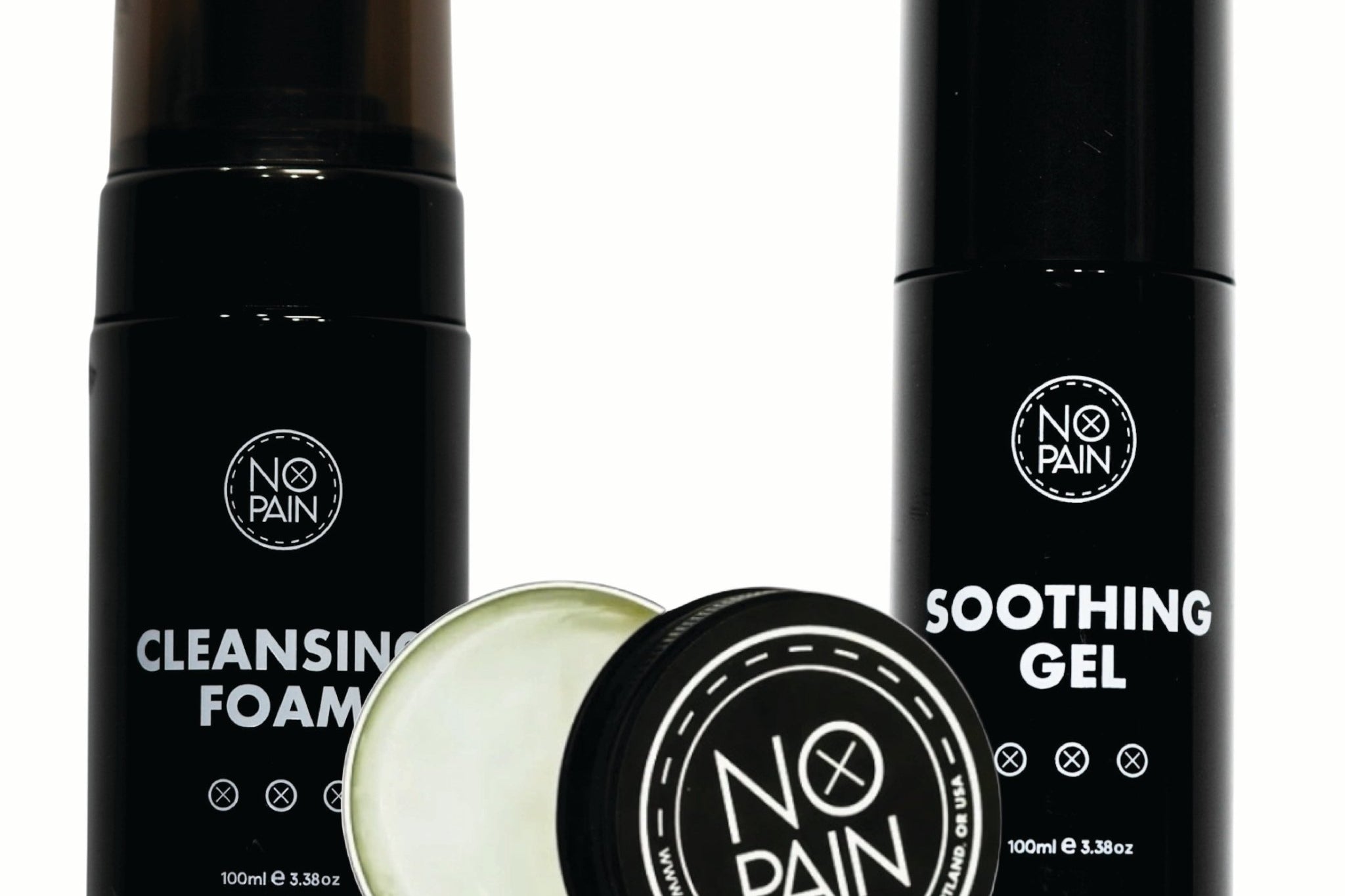
Our No Pain Tattoo Aftercare Bundle is designed for this. The No Pain Tattoo Cleansing Foam keeps the tattoo clean and infection-free, while the No Pain Tattoo Aftercare Balm provides the breathable moisture needed for a smooth, light peel that locks in the maximum amount of ink.
-
Phase 2: A Lifetime of Protection and Maintenance
Once your tattoo is fully healed, your job shifts from healing to preservation. This comes down to two simple, non-negotiable habits.
1. Sunscreen is Your Tattoo's Best Friend
The sun's UV radiation is the single most destructive force your tattoo will ever face. It penetrates your skin and shatters the ink particles, which your body then flushes away.
-
The Rule: If you want to know how to keep tattoos from fading, this is the answer. You must apply a high-SPF (30+), broad-spectrum sunscreen to your healed tattoos every single time they are exposed to the sun. This is the most important long-term commitment you can make to your art.
2. Healthy, Hydrated Skin is a Living Frame
The second biggest cause of a faded look is simply dry, unhealthy skin. Dry skin acts like a dusty filter over your tattoo, making it look dull and ashy.
-
The Routine: Make a habit of moisturizing your tattoos daily. The best time is right after a shower to lock in moisture.
-
The Best Tool: Our No Pain Tattoo Aftercare Balm is the perfect lifetime maintenance product. Its nutrient-rich formula keeps the skin supple and hydrated, which makes the blacks look deeper and the colors look more saturated. It's the secret to how to make old tattoos look new again without a touch-up.
The Verdict: A tattoo that ages gracefully is a testament to its owner's care. By committing to a perfect initial heal and a lifelong routine of sun protection and moisturization, you are not just caring for your skin; you are preserving your masterpiece for a lifetime.