


The short answer: not very. The outer forearm sits around 3 to 4 out of 10 - thick skin, good muscle padding, and no bone in the way. The inner forearm bumps to 5 to 6, where the skin thins out and the nerves run closer to the surface. The wrist end of either side spikes to 7 to 8, regardless of inner or outer. If you're planning a forearm piece, what you're really asking is which part of the forearm and how far it extends.
The forearm is still the most forgiving placement for a first tattoo. Even the harder zones are manageable compared to the ribs, sternum, or elbow ditch. This guide covers what's actually happening anatomically in each zone, how the session typically feels start to finish, and what genuinely helps.
In this article
- Why inner and outer feel so different
- Zone-by-zone pain breakdown
- What the session feels like
- How to manage the pain
- Healing a forearm tattoo
- Frequently asked questions
Why Inner and Outer Feel So Different
The outer forearm - the dorsal side, the side you'd see looking down at your arm resting palm-down on a table - has a lot going for it. The extensor muscles are dense here, creating real padding between skin and the bones beneath. The skin itself is thicker and less reactive. The posterior cutaneous nerve of the forearm is present, but it's buried under more tissue than the nerves on the other side.
Flip your arm over and the picture changes. The inner (volar) forearm has thinner skin and considerably less muscle mass in the way. Two nerves matter here: the medial cutaneous nerve of the forearm, which runs along the inner side toward the elbow, and the lateral cutaneous nerve of the forearm, which sits on the outer-inner border near the bicep insertion. Both are closer to the surface than anything on the dorsal side. You can often see your veins through the skin here, which is a good visual indicator of just how little is between the needle and the nerve structure underneath.
This anatomy explains why people with full forearm pieces almost universally describe the inner side as noticeably harder - not markedly harder in most zones, but enough to feel the difference mid-session.
Zone-by-Zone Pain Breakdown
Outer forearm (mid-shaft) is the most comfortable tattooing real estate on the arm. The rating here is reliably 3 to 4 out of 10 for most people. The sensation is typically described as a consistent scratching or mild burning - present but not demanding. Artists love working this zone because clients are relaxed and the skin takes ink cleanly.
Inner forearm (mid-shaft) runs 5 to 6 out of 10. The sensation is sharper and more immediate than the outer side - less of a scratch, more of a sting. The skin moves more under the needle, and the nerves respond faster. Still very manageable, but people who weren't expecting the step-up are often caught off guard when their artist moves from outer to inner.
Wrist end (both sides) is where the forearm gets genuinely challenging, rating 7 to 8 out of 10. The skin thins considerably as you approach the wrist joint, the radial and ulnar bones become more superficial, and both the radial nerve branches and the ulnar nerve's dorsal cutaneous branch are close to the surface. Pieces that extend down onto the wrist itself cross into different territory entirely - see the inner wrist pain guide for a full breakdown of that specific area.
Elbow end follows a similar pattern: as the piece climbs toward the elbow crease, pain increases. The elbow ditch itself - the antecubital fossa - is a 9 to 10 on most people's scale. If your forearm piece doesn't reach the crease, you may not encounter that spike. But artists working close to the elbow will notice you noticing it.
What the Session Feels Like
Most forearm sessions start on the outer side, which is the right call. It lets you settle into the sensation before moving to the more reactive inner skin. If you've never been tattooed before, that first 20 to 30 minutes on the outer forearm is usually enough to calibrate your expectations and relax your body into the experience.
The transition to the inner forearm is where people sometimes tense up. The instinct is to pull your arm back or rotate away. Don't. Tensing your arm changes the skin texture and makes the artist's job harder. A slow exhale when the needle hits inner skin and letting your arm go deliberately limp both help more than bracing through it.
Forearm sessions are among the most physically comfortable to sit for - you're usually in a chair or reclined slightly, your arm extended on a rest, not contorted into an awkward position. Fatigue from holding still is minimal compared to something like a back or rib piece where you're lying flat for hours. The main thing that catches people is duration: a full forearm sleeve is a long project across multiple sessions, and the inner forearm accumulates soreness with each pass.
How to Manage the Pain
The forearm is one of the best placements for topical numbing, for a practical reason: it's easy to wrap. Numbing cream works by staying in contact with skin under occlusion - a layer of plastic wrap that prevents the active ingredient from evaporating before it can absorb. The forearm is a simple cylinder you can wrap thoroughly in under a minute. There are no awkward angles, no skin folds, no placement-specific complications.
Applied 60 to 90 minutes before your session, a maximum strength formula can bring the outer forearm down to something that barely registers. The inner forearm responds well too - the thinner skin that makes it more reactive also means lidocaine absorbs faster. The wrist end benefits most of all: that 7 to 8/10 spike is exactly where good numbing coverage earns its keep.
For longer sessions - sleeve work, large fills, or anything over two to three hours - the first application will wear off before you're done. Secondary numbing gel your artist applies to broken skin mid-session picks up where the pre-session cream ends. For anyone doing serious forearm work, this combination is the difference between pushing through the back half on raw nerves and finishing clean.

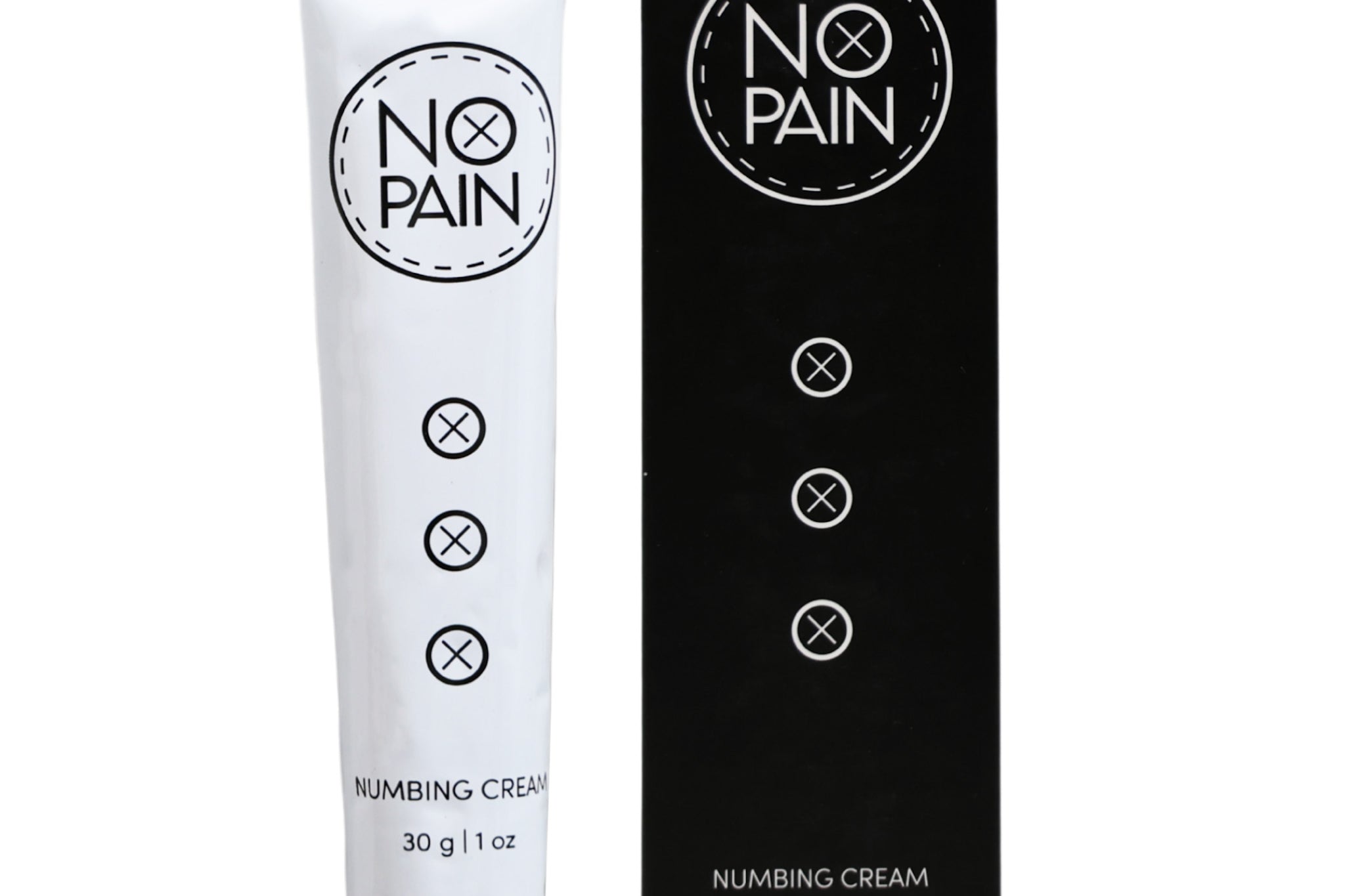
Maximum strength formula in a thick, slow-absorbing base. The forearm is one of the easiest placements to wrap, which means you get full, even coverage with no gaps. Apply 60 to 90 minutes before your session and arrive already numbed - especially useful if your piece extends toward the inner arm or wrist. Formulated at Historic Tattoo in Portland.

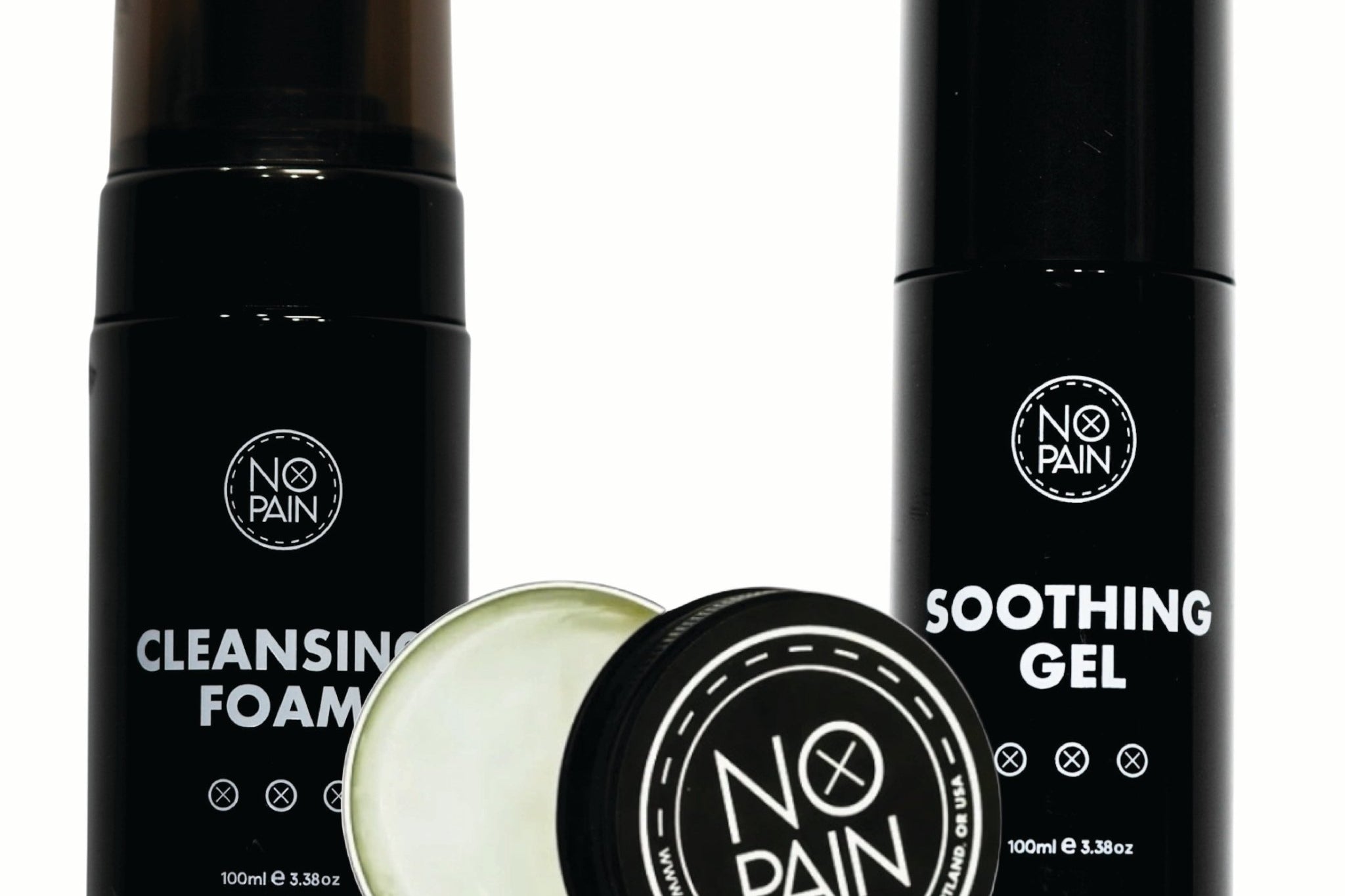
Pre-session numbing cream plus secondary numbing gel your artist applies mid-session on broken skin. For forearm sleeves or long fill sessions, the first application only lasts so long - the re-numb keeps you covered through shading and detail passes when the skin is already worked. Formulated at Historic Tattoo in Portland.
Healing a Forearm Tattoo
The forearm is one of the easier placements to heal. It doesn't fold or crease during daily movement the way the elbow or knee does, it's not under the constant friction of a waistband or shoe, and the blood supply is good. Most forearm pieces peel through days 5 to 10 and settle into the milky phase by the end of week two. Full healing at the dermis level takes four to six weeks.
The main variable is sun. The forearm is exposed constantly - driving, walking, working - and UV is the primary cause of tattoo fading over time. Fresh work needs to stay out of direct sun until fully healed (two to four weeks minimum), and once healed, SPF 30 or higher whenever you're outside makes a real difference in how the piece holds up over years.
Clothing friction is minor on the forearm compared to most other placements. Loose long sleeves can cover it when needed without much rubbing. The one exception is tight compression sleeves or wetsuits - avoid those over fresh work. The placement and healing guide covers the general healing arc if you want a full reference.
Frequently asked questions
Is the inner or outer forearm more painful?
The inner forearm is consistently more painful than the outer - typically a step or two up on the scale. The outer forearm has thicker skin and better muscle padding between the surface and the underlying structures. The inner side has thinner skin, less tissue buffer, and cutaneous nerve branches that sit closer to the surface. The difference isn't night and day in the mid-shaft, but it's noticeable, and most people feel it when their artist crosses from one side to the other.
How bad does a forearm tattoo hurt compared to other placements?
The forearm is one of the least painful placements available - outer forearm especially. For context: outer forearm is 3 to 4/10, roughly similar to the outer arm or calf. Inner forearm is 5 to 6/10, similar to the stomach or upper back. The wrist end spikes to 7 to 8/10. Compare that to the ribs or sternum at 9/10, or the elbow ditch at 9 to 10/10. The forearm is a good starting point for exactly this reason.
Can you numb a forearm tattoo?
Yes, and the forearm is actually one of the better candidates for it. The simple cylindrical shape wraps cleanly with plastic film, which is required for the cream to absorb properly and reach full effect. Apply a maximum strength formula to clean, dry skin 60 to 90 minutes before your session, wrap it with cling film, and remove it just before you go in. The inner forearm and wrist areas benefit the most - those are the zones where numbing brings the most meaningful reduction.
How long does a forearm tattoo take to heal?
Surface healing - peeling done, skin looking normal - takes two to three weeks for most forearm pieces. Full dermal healing is four to six weeks. The forearm heals relatively quickly because it has good circulation and doesn't face the same mechanical stress as placements on joints or high-friction areas. Sun protection is the most important aftercare variable for the forearm specifically, since it's constantly exposed.
Is a forearm tattoo a good first tattoo?
Yes, for most people the outer forearm is the best first tattoo placement. The pain is low enough that it's not overwhelming, the artist has clear access and good skin to work with, and the visibility makes the experience feel rewarding. The inner forearm is a reasonable step up but still manageable. If you're nervous about pain, start with a piece centered on the outer forearm and avoid extending toward the wrist until you know how you handle the sensation.
Does a forearm tattoo affect movement or daily life while healing?
Minimally. The forearm doesn't have the joint-crease problem that makes elbow or knee healing difficult, and it doesn't fold the way stomach or armpit skin does. You can use your arm normally, though you'll want to avoid submerging it in water (pools, ocean, baths) until fully healed, keep it out of direct sun, and skip any tight compression sleeves over the fresh work. Typing, driving, lifting - all fine with reasonable care.
Make the Wrist and Inner Arm More Manageable
Maximum strength numbing cream in a thick, slow-absorbing base. The forearm wraps easily - apply 60 to 90 minutes before your session and arrive already numbed. For sleeve sessions, the bundle adds a mid-session re-numb for the shading pass.
Shop the Comfort Bundle →Formulated at Historic Tattoo in Portland, Oregon.