
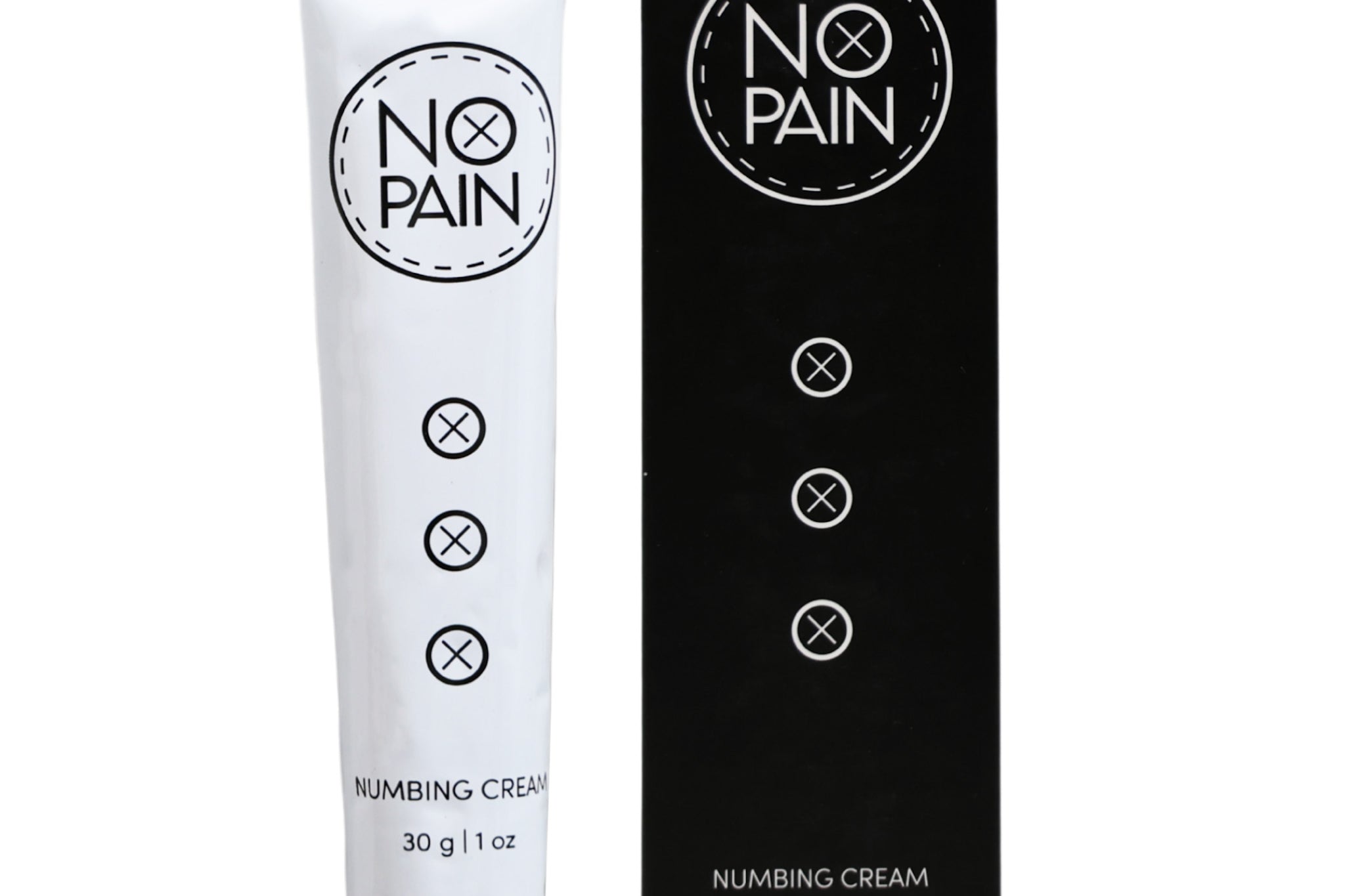

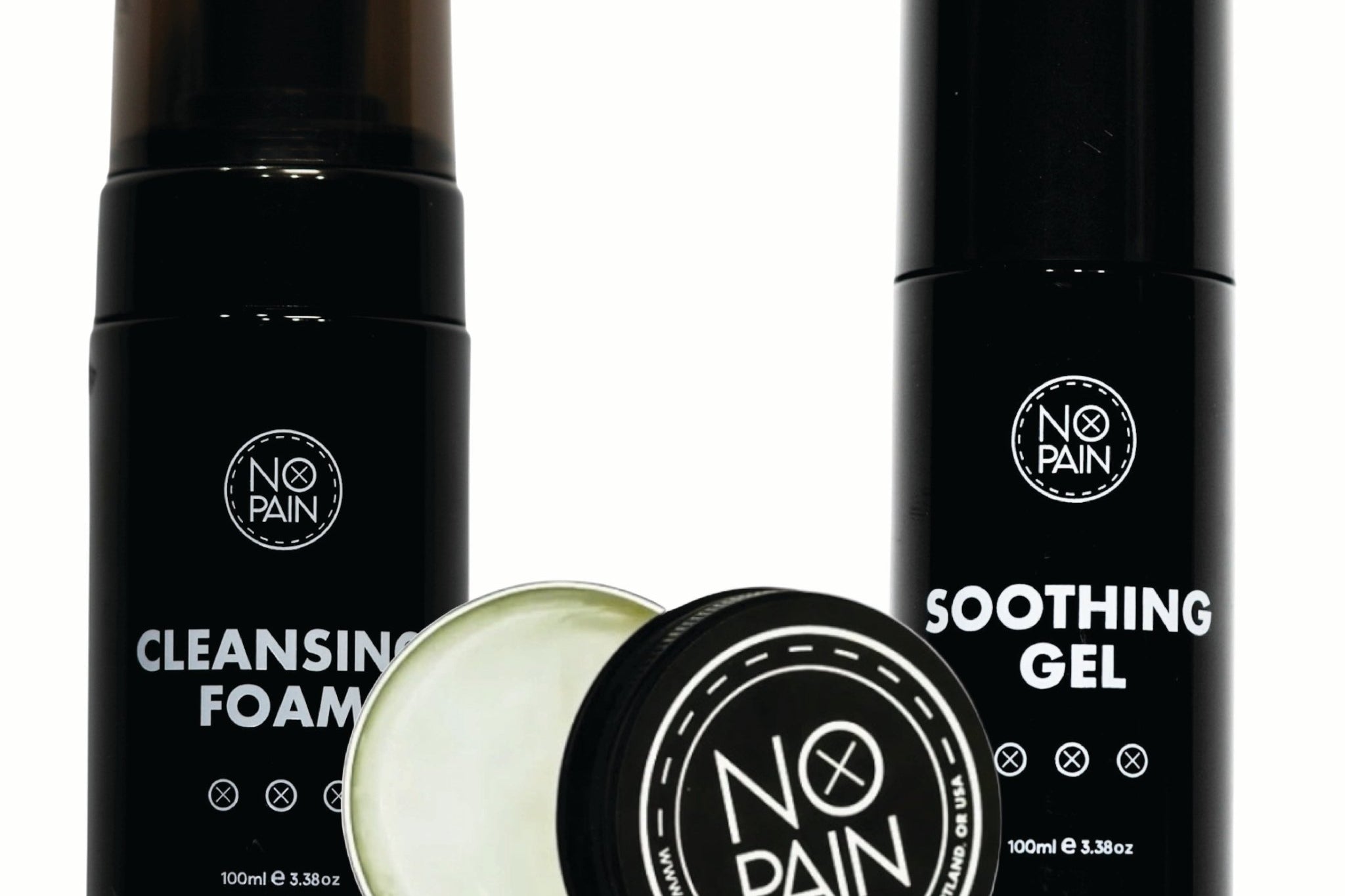

Tattoo numbing cream does not ruin your ink. The short version: when you use No Pain Tattoo's water-based, maximum strength lidocaine cream correctly and give your artist a heads-up in advance, healed results are identical to tattooing without numbing. The fear that it damages your tattoo comes from a handful of bad experiences with oil-based or petroleum-heavy products that genuinely do affect skin texture, and from artists who encountered those products years ago and never revised their view. Below, we take the five most persistent myths one by one and show you what the evidence actually says.
In this article
- Myth 1: It makes your skin too slippery for the needle
- Myth 2: It changes your skin texture and makes tattooing harder
- Myth 3: It makes your colors look faded once healed
- Myth 4: Your artist will refuse to work on you
- Myth 5: It wears off and leaves you in worse pain
- Frequently asked questions
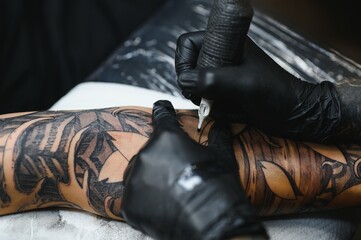
Myth 1: "It Makes Your Skin Too Slippery for the Needle to Work"
There is some truth here, but it applies to a different product. Oil-based numbing formulas can leave a waxy, slippery residue on the skin surface that causes the needle to glide rather than penetrate cleanly. No Pain Tattoo's water-based formula does not. It absorbs fully into the skin and leaves no residue behind.
The correct application process removes any remaining product entirely: apply the cream, cover with cling film, wait 90 to 120 minutes, then have your artist wash the area with green soap or another gentle soap before the session starts. What your artist's needle meets is clean, dry skin, the same as it would on any other client. If your artist raises the slippery concern, ask which product they've actually worked with. More often than not, it was an oil-based product, not a water-based one.
Myth 2: "It Changes Your Skin Texture and Makes Tattooing Harder"
This is the concern with the most legitimate basis, and the most important nuance. Certain numbing products, particularly thick emulsion creams with petroleum, wax, or a high concentration of epinephrine (a vasoconstrictor sometimes added to prolong numbing), can cause the skin to become puffy, slightly swollen, or feel spongy under the needle. That does make tattooing harder, and it can affect how ink settles during the session.
No Pain Tattoo's water-based, maximum strength lidocaine cream, used correctly, does not cause this. The difference is in how you apply it: applying too much, leaving it on too long, or using a pre-session formula on already-broken skin can cause localised swelling. Follow the application instructions carefully, have your artist wash the area with green soap before the session begins, and the skin feels and responds normally. Your artist will not notice a difference.
One thing doesn't change no matter which product you use: tell your artist you plan to use numbing cream at the consultation, not on the day of your appointment. They can advise on timing, application amounts, and any placement-specific considerations.
Myth 3: "It Makes Your Colors Look Faded Once Healed"
This one sounds convincing on the surface: if you change something about the session, the healed result must be different. The science does not back it up.
Topical anesthetics work by temporarily blocking sodium channels in the nerve endings of the epidermis, which is the outermost layer of skin. Tattoo ink is deposited in the dermis, the layer beneath the epidermis. The numbing cream does not reach the dermis, and the processes by which ink bonds to the dermal tissue are unchanged by lidocaine at the surface.
Studies comparing healed tattoo outcomes in numbed versus non-numbed skin found color and ink retention were identical. If you have seen a patchy or faded tattoo on someone who used numbing cream, the far more likely causes are inadequate aftercare, early sun exposure, or a session that moved too quickly because the artist felt rushed.

Water-based, maximum strength lidocaine formula. 2 to 4 hours of deep numbing. No oily residue, no skin texture changes.
Myth 4: "Your Tattoo Artist Will Refuse to Work on You"
A decade ago, some artists did refuse. The products available at the time were thicker, oilier, and genuinely made their job harder. That's no longer the case.
A 2023 survey of professional tattoo artists found that the majority were comfortable with clients using numbing cream, provided they received advance notice. Artists who work on longer sessions, such as full sleeves, back pieces, or chest panels, often actively recommend numbing products as a way to improve the sitting experience and the quality of the final work. A client who can hold still, relax their muscles, and stay calm through a four-hour session is easier to tattoo than one who is tensing and flinching.
The only thing that matters here is advance notice. Tell your artist at the consultation, not on the day of the appointment. That gives them the opportunity to advise on timing, flag any concerns about your specific placement, and feel like a partner in the process rather than someone who had a decision made for them.
Myth 5: "It Wears Off Mid-Session and You End Up in More Pain"
The fear is that numbing creates a false floor: you feel nothing for the first hour, then the cream wears off suddenly and the remaining pain feels worse by contrast. That is not how lidocaine works.
No Pain Tattoo's maximum strength lidocaine cream, applied correctly and left under cling film for 90 to 120 minutes, provides 2 to 4 hours of effective numbing. Lidocaine does not cut off abruptly. As it metabolizes, the numbing fades gradually over 20 to 40 minutes, which most people barely notice as it blends into the background sensation of the session. Pain does not rebound to a level higher than it would have been without the cream.
For sessions running longer than four hours, or for particularly sensitive placements like ribs or sternum, the answer is simple: No Pain Tattoo Numbing Spray. Formulated specifically for broken skin, it kicks in within a few minutes and can be applied mid-session to extend comfort without interrupting the work or affecting the healed result.

Fast-acting relief for broken skin in minutes. Apply during your session to push through the final hours comfortably.
Frequently asked questions
Does tattoo numbing cream affect ink adhesion?
No. No Pain Tattoo's water-based formula is washed off with green soap before the session begins and does not interfere with how ink bonds to the dermis. Tattoo ink is deposited in the dermal layer, which topical lidocaine does not reach. Healed outcomes are the same with or without numbing cream.
Can I use tattoo numbing cream without telling my artist?
You can, but you should not. Your artist may need to adjust their technique or timing depending on the placement, and they will appreciate the heads-up. Tell them at the consultation. Artists who are told in advance almost always accommodate it; artists who are surprised on the day are sometimes frustrated even if they are otherwise fine with numbing.
How long does tattoo numbing cream last?
No Pain Tattoo, applied correctly and covered with cling film for 90 to 120 minutes, typically provides 2 to 4 hours of effective numbing. The effect fades gradually as the lidocaine metabolizes, not suddenly. For longer sessions, No Pain Tattoo Numbing Spray extends comfort through the final hours, formulated for broken skin with relief in a few minutes.
Which numbing creams actually cause the problems artists complain about?
The creams most associated with artist complaints are oil-based or petroleum-heavy formulas, products with high concentrations of epinephrine (which can cause localised swelling and skin changes), and any cream applied in excess or left on longer than recommended. Water-based, maximum strength lidocaine creams like No Pain Tattoo, applied correctly, do not fall into this category, which is why the complaints have become less common as better products have entered the market.
Is numbing cream bad for tattoos?
No, not when you use the right product correctly. Water-based, maximum strength lidocaine creams like No Pain Tattoo do not affect ink adhesion, color vibrancy, or how the tattoo heals. The problems people associate with numbing cream (spongy skin, faded color, poor ink settling) come from oil-based formulas or incorrect application. The cream itself isn't the issue. Those with a lidocaine allergy or certain heart conditions should check with their doctor before using it, and the same goes for anyone who is pregnant or breastfeeding.
Ready for a Pain-Free Session?
No oily residue. No texture changes. Just 2 to 4 hours of deep, consistent numbing so you can focus on the art.
Shop our Numbing Cream →Backed by our money-back guarantee.