


No, your body cannot reject tattoo ink the way it rejects a transplanted organ. True immunological rejection does not happen with tattoo ink. But your body can react to it in ways that look alarming, damage the tattoo, and in some cases require medical attention. Understanding the difference between normal healing, an allergic reaction, and an infection is what separates a panicked visit to urgent care from a simple fix at home.
In this article
- What actually happens when you get a tattoo
- What people call rejection, and what it actually is
- Signs your body is reacting to tattoo ink
- What a reacting tattoo looks like
- How to prevent reactions
- Frequently asked questions
What Actually Happens When You Get a Tattoo
Tattoo ink is deposited into the dermis, the layer of skin below the surface epidermis. Your immune system detects the pigment particles as foreign and sends cells to deal with them. But unlike bacteria or a virus, the ink particles cannot be broken down or expelled. Instead, your immune cells surround the particles and wall them off in place. This is what makes a tattoo permanent: the ink is not embedded in the skin so much as captured by it.
This immune response is also why a fresh tattoo is red, swollen, and warm for the first few days. Your body is actively working on it. That process is normal and expected. What is not normal is when the response continues or intensifies beyond the first week, or when it targets a specific color rather than the whole tattoo.
What People Call "Rejection," and What It Actually Is
When someone says their body is rejecting their tattoo, they are usually experiencing one of three things. Each looks different, has different causes, and requires a different response.
Allergic reaction to ink pigment
This is the closest thing to rejection that exists. Your immune system is not reacting to the act of tattooing; it is reacting to a specific chemical in the ink pigment. Red ink is by far the most common trigger, but reactions to yellow, green, and blue inks also occur. Red inks historically contained mercury sulfide (cinnabar), and while most modern inks have moved away from this, certain pigments still cause reactions in sensitive individuals.
An allergic reaction can appear during the initial healing period or months to years after the tattoo is fully healed. This delayed onset is what makes it particularly confusing. A tattoo that looked completely fine for a year can suddenly become raised, itchy, and inflamed if the immune system develops a sensitivity to the pigment over time.
Tattoo infection
An infected tattoo is not your body fighting the ink; it is your body fighting bacteria that entered through the open wound during or after the tattoo. Infections are far more common than allergic reactions and far more straightforward in their symptoms. They get progressively worse, not better, as the days pass. An infection requires medical treatment and will not resolve on its own.
Normal healing that looks alarming
New tattoos peel, flake, look patchy, and feel intensely itchy as the surface skin sheds. First-time clients in particular often mistake this for something going wrong. A healing tattoo goes through a stage where it looks faded, milky, or uneven. This is the epidermis regenerating over the ink. It resolves on its own within a few weeks and does not mean the tattoo is being expelled or rejected.
Signs Your Body Is Reacting to Tattoo Ink
Signs of an allergic reaction
The defining feature of a true allergic reaction is that it is localized to one specific ink color within the tattoo. If the red portions are raised, bumpy, and intensely itchy while the black areas look fine, that is an allergic reaction to red pigment, not a systemic problem with the whole tattoo. The skin over the affected area may feel thick or scaly. The reaction can persist for months and tends to flare with sun exposure.
Signs of an infection
Infection signs are distinct from allergic reaction signs. Look for pain that gets worse after the first two or three days rather than improving, swelling that spreads beyond the tattoo border, skin that feels hot to the touch well into the second week, a foul or unusual odor, and discharge that is yellow, green, or thick. Red streaks radiating outward from the tattoo are a medical emergency and require immediate attention.
Signs of normal healing
For comparison: normal healing involves redness and swelling that peaks at 24 to 48 hours and then steadily improves, surface flaking and peeling in the first week, intense itchiness as the skin regenerates (similar to a healing sunburn), and a milky or cloudy appearance to the ink in weeks two and three. All of this resolves on its own with proper aftercare.
What a Reacting Tattoo Looks Like
A tattoo with an allergic reaction to red ink typically shows raised, bumpy, intensely itchy skin confined to the red-colored areas. The texture is often described as feeling like hives or a rash within the tattoo lines. The surrounding skin looks normal.
An infected tattoo looks uniformly bad across the whole area regardless of ink color. The skin is swollen, warm, and increasingly painful. Any discharge is not clear. The area may look shiny or puffy beyond the tattoo border.
If you are unsure which you are dealing with, the color-specificity test is your clearest signal. If only one ink color is affected, it is likely an allergic reaction. If the whole tattoo looks and feels bad, infection is more likely. Either way, a doctor should see it if the symptoms do not improve or continue to worsen.
How to Prevent Reactions
You cannot predict an allergic reaction to ink pigment before it happens, but you have a significant amount of control over infection prevention. Almost all tattoo infections come from one of two places: an unsterile tattooing environment or poor aftercare once you leave the studio. Choosing a reputable artist with proper sterilization practices handles the first. A rigorous aftercare routine handles the second.
The first days are the most critical. The tattoo is an open wound, and anything that gets into it during that window can cause problems. Keeping it clean, reducing inflammation, and protecting the skin as it heals are the steps that make the difference.

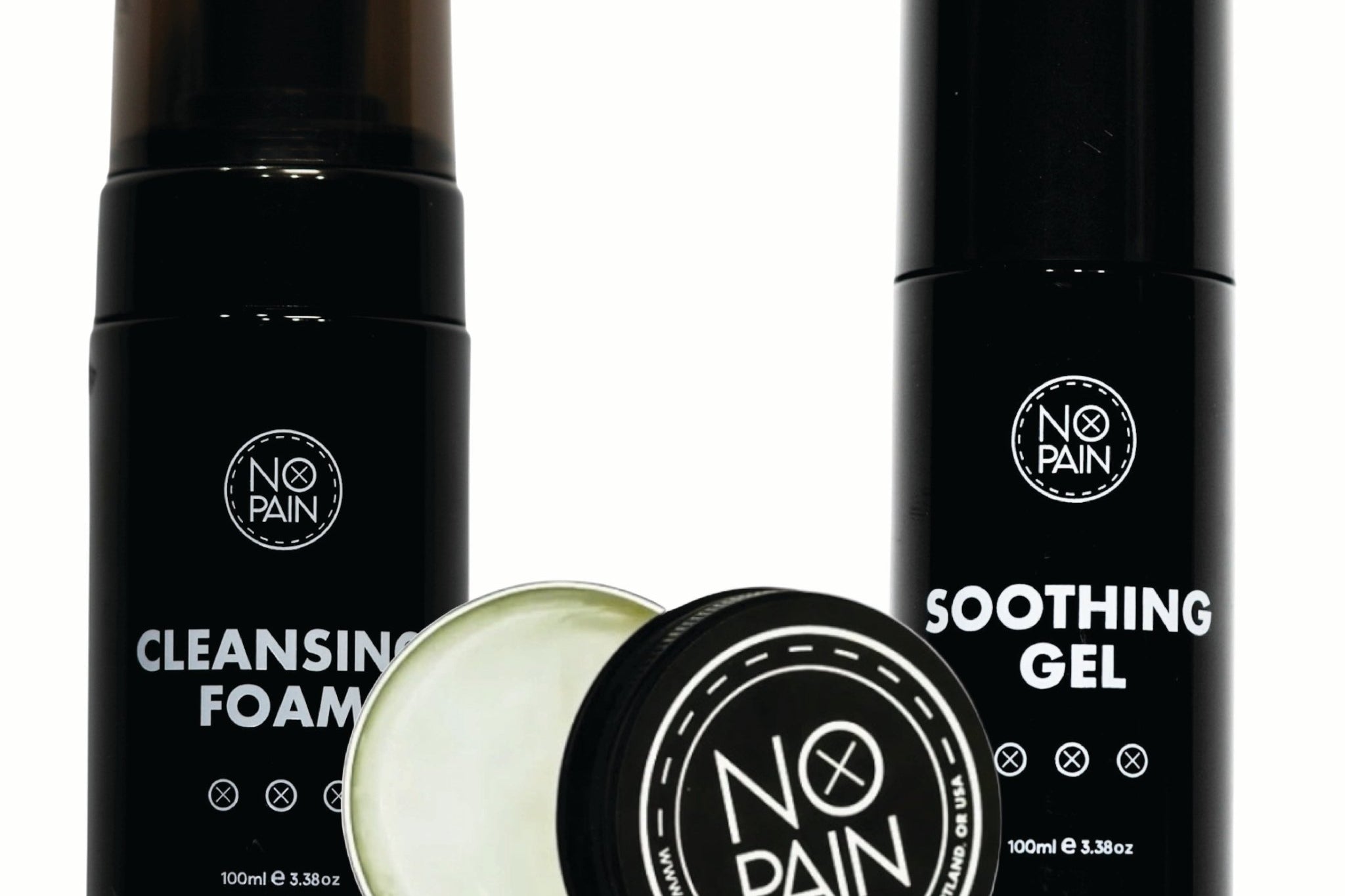
Antibacterial cleansing foam, soothing gel, and aftercare balm formulated at Historic Tattoo in Portland to clean, calm, and protect new ink from day one. The complete routine in one kit.
Frequently asked questions
Can your body reject tattoo ink?
Not in the medical sense of the word. True rejection, where the body expels a foreign material, does not happen with tattoo ink. Your immune system encapsulates the ink particles and locks them in place, which is what makes tattoos permanent. What people experience as rejection is almost always an allergic reaction to a specific ink pigment, a bacterial infection, or normal healing that looks worse than expected.
What does a rejected tattoo look like?
Allergic reactions to ink typically appear as a raised, bumpy, intensely itchy rash confined to one specific color within the tattoo, most commonly red. An infection looks different: the whole area is swollen, warm, and increasingly painful, with possible discharge. Normal healing involves surface flaking and temporary fading, which resolves on its own. If a specific color is affected and the rest of the tattoo looks fine, an allergic reaction is the likely cause.
What are tattoo ink rejection symptoms?
For an allergic reaction: raised, itchy, bumpy skin localized to one ink color, persistent even after the tattoo is healed, sometimes flaring with sun exposure. For an infection: worsening pain after day two or three, spreading swelling, foul odor, colored discharge, and skin that feels hot to the touch well beyond the first few days. Red streaks spreading outward from the tattoo require immediate medical attention.
Can you be allergic to tattoo ink?
Yes. Allergic reactions to tattoo ink are real and documented. Red pigments cause reactions most often, but reactions to yellow, green, and blue inks also occur. The reaction can develop during the initial healing period or years after the tattoo is fully healed. If you have sensitive skin or known allergies to metals or dyes, discuss this with your artist before booking and ask about the specific pigments they use.
What ink colors cause reactions most often?
Red is by far the most common trigger. Many red tattoo inks contain compounds that certain immune systems react to over time. Yellow and green inks are the next most frequent offenders. Black ink reactions are rare because black pigment is typically carbon-based and less chemically complex than colored pigments. White ink can also cause reactions in some people.
Can an old tattoo start rejecting years later?
Yes, allergic reactions to ink pigment can develop long after a tattoo is fully healed. A tattoo that has looked fine for years can suddenly become raised, itchy, and inflamed if the immune system develops a sensitivity to the pigment. This delayed reaction is most common with red ink and can be triggered or worsened by sun exposure. See a dermatologist if a healed tattoo suddenly develops these symptoms.
Give Your Tattoo the Best Possible Start
Clean it right, soothe the inflammation, and protect the skin as it heals. The 3-step aftercare kit covers all of it.
Shop Aftercare Kit →Formulated at Historic Tattoo in Portland, Oregon.