
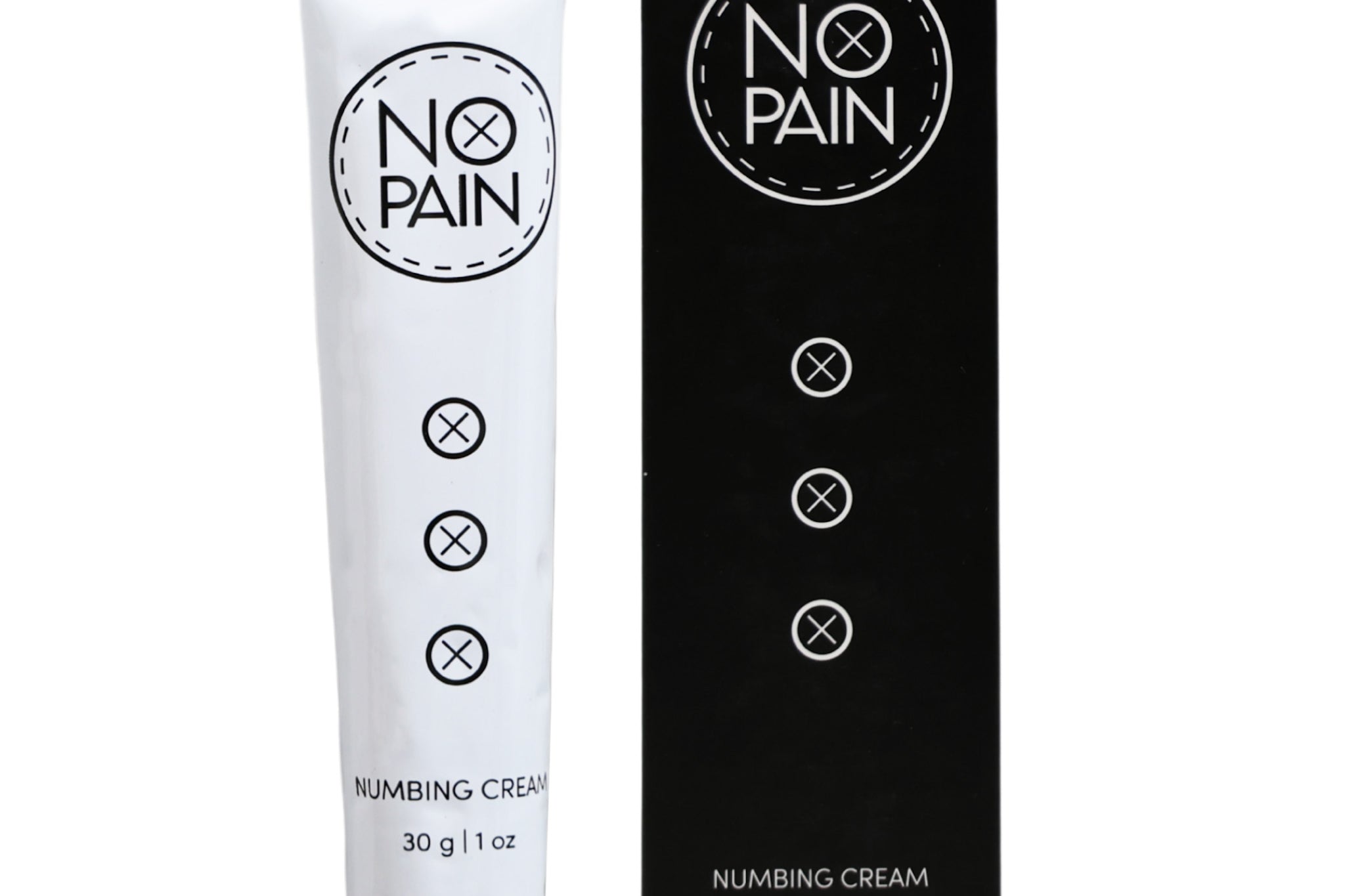


Second-skin bandages like Saniderm are a good tool. They are not the right tool for everyone. If you have had a reaction to the adhesive, have skin that does not get along with medical-grade film, or your tattoo is in a spot that will not hold a seal, the traditional open-air method is a perfectly solid alternative, and for some people, it is the better choice.
This guide covers who should skip the wrap, why, and exactly how to heal your tattoo without one.
5 Signs Saniderm Is Not for You
1. You have had an adhesive reaction before
The most common reason to skip second skin is adhesive sensitivity. If you have ever developed a red, bumpy, intensely itchy rash from the adhesive on a regular bandage or medical tape, you are likely sensitive to the same compounds used in Saniderm and similar films. The reaction usually shows up as a raised, blistered outline that mirrors the edge of the bandage, distinctly different from normal tattoo redness.
Not sure if what you experienced was a reaction or just normal healing irritation? See our guide to Saniderm Reactions: What Is Normal and What Is a Problem.
2. You have eczema or very reactive skin
If you have eczema or generally sensitive, reactive skin, trapping it under an occlusive adhesive film for 3 to 5 days can trigger a flare. The combination of limited airflow and constant adhesive contact is hard on already-compromised skin. Open-air healing gives your skin room to breathe and react as it needs to.
3. Your tattoo is in a high-movement joint area
Tattoos in the deep crease of an elbow or knee, or wrapping around a wrist or ankle, are notoriously difficult to keep sealed. The constant, intense bending repeatedly stresses the adhesive edge, causing it to lift and break the seal prematurely. A bandage that keeps losing its seal offers fewer of the benefits and still carries the risks. You are better off going open-air from the start.
4. Your artist did not apply it, and you are not confident doing it yourself
A second-skin bandage needs a clean, proper seal to work as intended. If the film lifts, wrinkles, or traps air pockets, the protected environment breaks down. If your artist does not use Saniderm and you would be applying it yourself at home without experience, a clean open-air routine is safer than a poorly applied wrap.
5. You prefer hands-on healing
Some people simply do better when they can see and touch their tattoo each day, monitor the healing, and feel in control of the process. There is nothing wrong with this. Open-air healing has been the standard method for decades, and it works well when done consistently.
The Open-Air Method: How to Do It Right
Without a bandage doing the protective work, your routine becomes the protection. Consistency matters more here than it does with Saniderm.
The first 24 hours
Your artist will cover the tattoo with a bandage or cling wrap for the ride home. Leave that on for 2 to 4 hours, then remove it and do your first wash. After that, the tattoo stays uncovered.
Days 1 to 3: wash and soothe
Wash the tattoo gently 2 to 3 times a day with a fragrance-free, antimicrobial cleanser. Use clean hands, not a cloth. Rinse with lukewarm water and pat dry with a clean paper towel. Then apply a thin layer of soothing gel, just enough to stop the skin looking dry, not enough to create a thick coating.
Keep it away from sun, pools, oceans, and baths. Showers are fine; just keep them short and lukewarm.
Day 3 onward: switch to balm
Around day 3, swap from gel to a thicker aftercare balm. The skin is past the actively weeping phase and needs deeper, richer moisture. A breathable balm locks in hydration without suffocating the new skin underneath.
Light flaking is normal. Do not pick it. Do not scratch. Let it come off on its own.
Weeks 3 and 4: low maintenance, high SPF
The surface looks healed. The deeper layers are still finishing up. Moisturize once a day and, now that the surface is closed, start applying SPF 30+ whenever the tattoo will be in direct sun. UV exposure is the single biggest driver of long-term fading.
What to Use Instead

Days 1 to 3
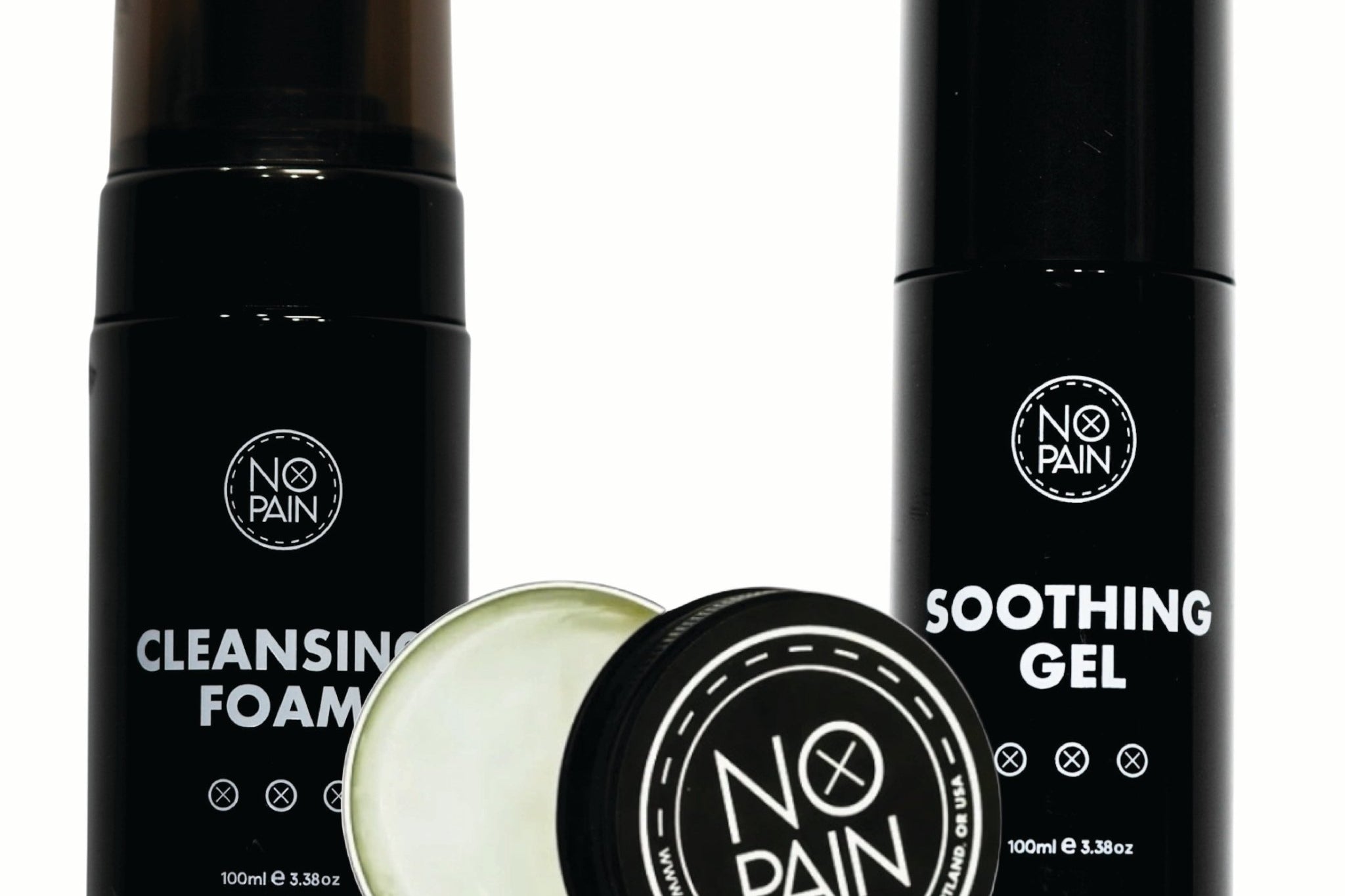
No Pain Tattoo Soothing Gel
A lightweight, breathable gel for the first phase of open-air healing. Calms inflammation, keeps the skin from drying out, and does not clog pores. Apply after each wash while the tattoo is still in the active healing phase.
$15.00
Shop Soothing Gel →
Day 3 Onward
No Pain Tattoo Aftercare Balm
Shea butter balm for the peeling and milky phase. Richer than the gel, it locks in moisture as the skin closes and begins to shed, without suffocating the new epidermis underneath.
from $12.00
Shop Aftercare Balm →Open-Air vs. Saniderm: What to Expect
Healing time: Open-air healing typically takes a few days longer to reach the same surface-healed stage. Saniderm creates an ideal moist wound healing environment that speeds up the early phase. Open-air healing works; it just moves at a different pace.
Appearance during healing: Without a bandage, your tattoo will go through more visible stages: more redness day one, more peeling days 7 to 14. With Saniderm, a lot of that happens underneath the film and is less obvious. Neither is better; they just look different.
Effort: Open-air requires more active care: 2 to 3 washes a day versus basically nothing while the Saniderm is on. The tradeoff is that you are directly in control and can see exactly how the tattoo is healing at all times.
Risk: Both methods have risks. With Saniderm, the risk is a broken seal leading to a contaminated environment, or an adhesive reaction you did not know you would have. With open-air, the risk is forgetting a wash, over-moisturizing, or exposing the tattoo to something it should not touch. Consistent care removes most of that risk either way.

No Pain Tattoo Aftercare Bundle
The complete open-air kit: Soothing Gel for the first few days, Aftercare Balm from day 3 onward.
$33.60 Save 20%
Shop Aftercare Bundle →FAQ
Is open-air healing as good as Saniderm?
Yes, when done consistently. Saniderm has advantages in the first 3 to 5 days. It creates a controlled moist environment that speeds up early healing and reduces scabbing. But open-air healing has worked for decades and produces excellent results. For people with adhesive sensitivity, eczema, or joint placements that will not stay sealed, it is actually the better option.
Can I switch from Saniderm to open-air mid-heal if I am having a reaction?
Yes. If the seal breaks or you develop a rash at the adhesive edge, remove the bandage and switch to open-air immediately. Wash the tattoo gently, pat dry, and start the open-air routine. The tattoo will still heal normally. See our Saniderm Reaction guide if you are unsure whether what you are seeing is a problem.
What if my artist uses Saniderm but I know I am sensitive to it?
Tell your artist before your appointment, not after. Reputable artists are happy to skip the second-skin bandage and use cling wrap or a regular bandage instead. You are not being difficult. You are giving them information they need to protect your tattoo.
Is it okay to use regular Vaseline or Aquaphor for open-air healing?
No. Petroleum-based products like Vaseline and Aquaphor are too occlusive for open-air healing. They seal off the skin, trap bacteria, and can clog pores. A lightweight tattoo-specific gel or a breathable aftercare balm is the right choice.
How do I know if my rash is a Saniderm reaction or just normal healing?
A Saniderm reaction typically appears at the adhesive edge, not over the tattoo itself. It looks like a red, raised, itchy border that mirrors the shape of the bandage. Normal healing redness sits on or immediately around the tattooed skin and fades over the first day or two. If you are unsure, our Saniderm Reaction guide covers the difference in detail.
Will open-air healing cause more scabbing?
It can, but not if you keep the tattoo properly moisturized. Scabbing happens when the skin dries out. Washing 2 to 3 times a day and applying a thin layer of gel after each wash keeps the skin in the right state. The mistake most people make is applying too much moisturizer, which traps moisture and causes a different set of problems. Thin and consistent is the goal.